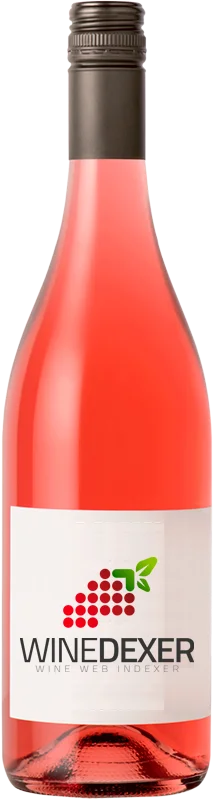
Winery NovaripaMonatic Rosé
 Pink wine


This wine generally goes well with

Details and technical informations about Winery Novaripa's Monatic Rosé.
Discover the grape variety: Souvignier gris
Aromatic, structured whites and rosés with a sometimes salmon-tinged robe, ample palate and fresh acidity, showing aromas of exotic fruits (mango, passion fruit), citrus, peach, white flowers and muscat-like notes. Disease-resistant interspecific variety (mildew, powdery mildew and botrytis), driving organic vineyards in northern Europe: Germany, Switzerland, Netherlands, Belgium and UK. German hybrid created in 1983 in Freiburg (cabernet sauvignon × bronner).
Last vintages of this wine
The best vintages of Monatic Rosé from Winery Novaripa are 0
Informations about the Winery Novaripa
The Winery Novaripa is one of of the world's greatest estates. It offers 18 wines for sale in the of Terre di Chieti to come and discover on site or to buy online.

The wine region of Terre di Chieti
IGT of Abruzzo, kingdom of Italian value for money. Signature Montepulciano d'Abruzzo: fleshy, accessible reds with notes of ripe black cherry, plum, Mediterranean herbs and sweet spices, supple tannins and a moreish palate — an everyday wine. Trebbiano d'Abruzzo as fresh white. Native Pecorino in full revival: lively and mineral with citrus and white flowers.
The wine region of Abruzzo
Accessible, identity-driven Italian duo. Montepulciano d'Abruzzo as red: deep colour, intense aromas of black cherry, ripe plum, sweet spices and balsamic notes, round tannins and a gourmet finish, from everyday to age-worthy Riserva. Cerasuolo d'Abruzzo DOCG as a fleshy, fruity rosé (strawberry, pomegranate). Trebbiano d'Abruzzo as a straight white with citrus and white flowers, sublimated by a few cult producers (Valentini).
The word of the wine: Merithalle
Botanical term for the interval between two nodes or between two leaf insertions on a branch (see internode).