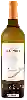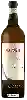
Winery NollitumNollitum Fiano di Avellino
 wine
wine
This wine generally goes well with
The Nollitum Fiano di Avellino of the Winery Nollitum is in the top 0 of wines of Fiano de Avellino.
Details and technical informations about Winery Nollitum's Nollitum Fiano di Avellino.
Discover the grape variety: Muscat Ottonel
Muscat Ottonel has the character of a grape variety with a distant lineage. It was first obtained in 1839 and continues to be planted in nearly 2,000 hectares of vineyards around the world. It shows good vigour and promises satisfactory production, of the order of 6 kilos per vine. The bunches, which are rather loose, are quite large, bearing berries with a strong character. A pleasantly musky flavour and a lot of juice characterize the pulp, protected by a medium skin. The bluish-black skin contributes to the exceptional beauty of the vineyards at harvest time. The size of the ellipsoidal berries is another argument in favor of Muscat Ottonel, which is also known as Muscat Ottone or Muscadet Ottonel. Resin, toast, honey and wild flowers are all present in the wines made from this variety. If the foliage, which turns yellow in autumn, is one of its charms, remember to protect the fruit from grey rot and coulure.
Informations about the Winery Nollitum
The Winery Nollitum is one of of the world's greatest estates. It offers 8 wines for sale in the of Fiano de Avellino to come and discover on site or to buy online.

The wine region of Fiano de Avellino
The wine region of Fiano de Avellino is located in the region of Campanie of Italy. Wineries and vineyards like the Domaine Quintodecimo or the Domaine I Capitani produce mainly wines white, red and sparkling. The most planted grape varieties in the region of Fiano de Avellino are Aglianico et Chardonnay, they are then used in wines in blends or as a single variety. On the nose of Fiano de Avellino often reveals types of flavors of cream, slate or mango and sometimes also flavors of grass, flint or salt.
The wine region of Campania
Campania is a region that forms the "tibia" of the boot of Italy, and whose largest city is Naples. Its name comes from Campania felix, a Latin phrase meaning roughly "happy land". The region has strong historical links with wine and vineyards, dating back to the 12th century BC, and is one of the oldest wine regions in Italy. The considerable influence of ancient empires, including the Greeks, Romans and Byzantines, means that some of the varieties in this region are linked to historical legends.
The word of the wine: Deposit
Solid particles that can naturally coat the bottom of a bottle of wine. It is rather a guarantee that the wine has not been mistreated: in fact, to avoid the natural deposit, rather violent processes of filtration or cold passage (- 7 or - 8 °C) are used in order to precipitate the tartar (the small white crystals that some people confuse with crystallized sugar: just taste to dissuade you from it)