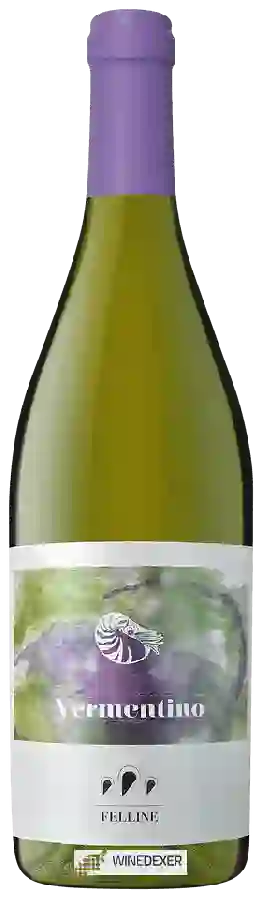
Winery NjúruVermentino
 White wine


In the mouth this white wine is a powerful.
This wine generally goes well with vegetarian, appetizers and snacks or shellfish.

Taste structure of the Vermentino from the Winery Njúru
Light | Bold | |
Dry | Sweet | |
Soft | Acidic |
In the mouth the Vermentino of Winery Njúru in the region of Puglia is a powerful.
Wine flavors and olphactive analysis



On the nose the Vermentino of Winery Njúru in the region of Puglia often reveals types of flavors of citrus fruit.
Food and wine pairings with Vermentino
Pairings that work perfectly with Vermentino



Original food and wine pairings with Vermentino
The Vermentino of Winery Njúru matches generally quite well with dishes of shellfish, vegetarian or appetizers and snacks such as recipes of garlic shrimp, light tuna-tomato quiche (without cream) or sweet potato chips.
Details and technical informations about Winery Njúru's Vermentino.
Discover the grape variety: Vermentino
Nervy, saline whites with cutting acidity and enveloping richness, showing aromas of grapefruit, lime, pear, white flowers, fresh almond, fennel and marine iodine notes. Slightly bitter finish. Star of Sardinia (Vermentino di Gallura DOCG), Liguria, coastal Tuscany (Bolgheri) and Corsica. Also in Provence and Languedoc-Roussillon as Rolle. An autochthonous Mediterranean variety.
Last vintages of this wine

The best vintages of Vermentino from Winery Njúru are 2016, 2017, 0, 2015
Informations about the Winery Njúru
The Winery Njúru is one of of the world's great estates. It offers 26 wines for sale in the of Puglia to come and discover on site or to buy online.

The wine region of Puglia
Heel of the boot, 80% red vineyard, sunny and generous. Fleshy, jammy Primitivo (= Zinfandel) with notes of black cherry, plum, chocolate and spices, powerful alcohol and melted tannins, a star in Primitivo di Manduria. Deep, structured Negroamaro (black-bitter) with a bitter finish in Salice Salentino. Structured Nero di Troia, spicy Susumaniello.
The word of the wine: Thermoregulation
Control of the vinification temperatures (by circulating hot or cold water on the walls of the vats, for example). This is a major step forward, which in particular helps to preserve the freshness of the aromas threatened by excessive temperature rises during fermentation.