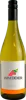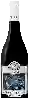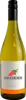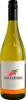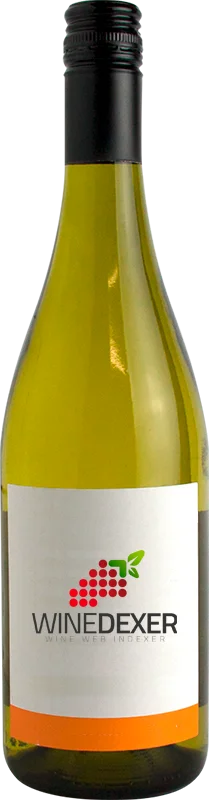
Winery MukhraniGoruli Mtsvane
 White wine


This wine generally goes well with
Wine flavors and olphactive analysis






On the nose the Goruli Mtsvane of Winery Mukhrani in the region of Kakheti often reveals types of flavors of cream, tropical or citrus and sometimes also flavors of apples, peach or minerality.
Details and technical informations about Winery Mukhrani's Goruli Mtsvane.
Discover the grape variety: Romorantin
Romorantin is a white grape variety named after the town in the Loir-et-Cher region where it originated. It was François 1er who planted the first Romorantin vines here in 1519, and it has gradually been replaced by Sauvignon, considered more aromatic, and is only planted in the Loir-et-Cher region, where it is the source of the Cour-Cheverny AOC. Its bunches of small white berries, which turn pink when ripe, are resistant to grey rot. Cour-Cheverny wines are fruity white wines with aromas of white flowers, citrus fruit and honey. Their lively, full-bodied character means they can be enjoyed after a few years' storage.
Last vintages of this wine

The best vintages of Goruli Mtsvane from Winery Mukhrani are 2017, 2018, 2016, 2013 and 2015.
Informations about the Winery Mukhrani
The Winery Mukhrani is one of of the world's great estates. It offers 30 wines for sale in the of Kakheti to come and discover on site or to buy online.

The wine region of Kakheti
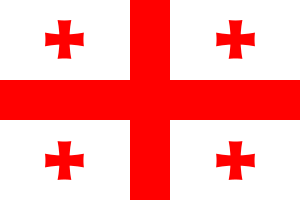
Kakheti is the most important wine region in Georgia in quantitative, qualitative and even historic terms. Almost three-quarters of the country's wine Grapes are grown here, on land that has been used for viticulture for thousands of years. Kakheti is home to some of the oldest human habitations in the entire Caucasus region, and archaeological findings have suggested that wine has been produced here for several thousand years. The region's strong relationship with wine and Vine was captured in Georgia's famous hymn 'Thou Art a Vineyard', written in the 12th Century by King Demetrius I.
The word of the wine: Second fermentation
In the making of champagne, fermentation of the base wine to which is added the liqueur de tirage and which takes place in the bottle. This second fermentation produces the carbon dioxide, and therefore the bubbles that make up the effervescence of the wine.