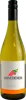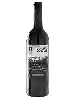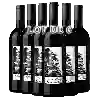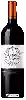
Winery Moulin BergeracRed
 Red wine


This wine generally goes well with
Details and technical informations about Winery Moulin Bergerac's Red.
Discover the grape variety: Schioppettino
A very old grape variety that most likely originated in the Friuli Valley in northeastern Italy. Almost unknown in France, it can be found in Slovenia, in the United States (California, etc.), etc. It is not related to ribolla gialla.
Informations about the Winery Moulin Bergerac
The Winery Moulin Bergerac is one of of the world's greatest estates. It offers 1 wines for sale in the of Guyenne to come and discover on site or to buy online.

The wine region of Guyenne
45 kilometres east of Bordeaux, Blasimon is perched on a hillside overlooking the Gamage, a tributary of the Dordogne. Its hilly sites and its calm make it an ideal place to relax. A Village of medieval origin, its origin reflects the traditional organization of the bastides. The city conceals one of the Romanesque jewels of the Gironde, the Benedictine abbey of the X-XIII th centuries.
The wine region of South West
The South-West is a large territorial area of France, comprising the administrative regions of Aquitaine, Limousin and Midi-Pyrénées. However, as far as the French wine area is concerned, the South-West region is a little less clear-cut, as it excludes Bordeaux - a wine region so productive that it is de facto an area in its own right. The wines of the South West have a Long and eventful history. The local rivers play a key role, as they were the main trade routes to bring wines from traditional regions such as Cahors, Bergerac, Buzet and Gaillac to their markets.
The word of the wine: Sweet (flavor)
The flavour provided by the residual sugars naturally present in the wine as well as by certain alcohols. This sensation can range from a simple impression of smoothness to a clear sweetness. We speak of roundness, fatness and mellowness.