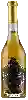
Winery Monyok PinceszetTokaji 3 Puttonyos Aszú
 Sweet wine


This wine generally goes well with

Details and technical informations about Winery Monyok Pinceszet's Tokaji 3 Puttonyos Aszú.
Discover the grape variety: Calabrese di Montenuovo
Light, simple reds with a clear ruby robe, smooth tannins and an airy palate with preserved acidity. Signature aromas of red fruits (cherry, raspberry), soft spices and fresh floral notes from Campania. Rustic, airy profile, nearly extinct. Conserved in heritage vineyards for its exceptional genetic and patrimonial value. Rare native Italian black grape from Campania, genetically identified as the mother of Sangiovese (father: Ciliegiolo).
Last vintages of this wine
The best vintages of Tokaji 3 Puttonyos Aszú from Winery Monyok Pinceszet are 0
Informations about the Winery Monyok Pinceszet
The Winery Monyok Pinceszet is one of of the world's greatest estates. It offers 7 wines for sale in the of Tokaj to come and discover on site or to buy online.

The wine region of Tokaj
Cradle of the legendary Tokaji Aszú, "king of wines" per Louis XIV. Noble sweet wines based on Furmint (lively acidity prone to botrytis) and floral Hárslevelű ("linden leaf"): amber robe, signature aromas of honey, candied apricot, quince, orange peel, saffron, sustained sugar balanced by tense acidity. Measured in "puttonyos" (3 to 6) with Aszú Eszencia at the top. Also dry Furmint on the rise, straight and mineral.
The word of the wine: Female
Characterizes wines whose pleasantness results from elegance and finesse rather than power.