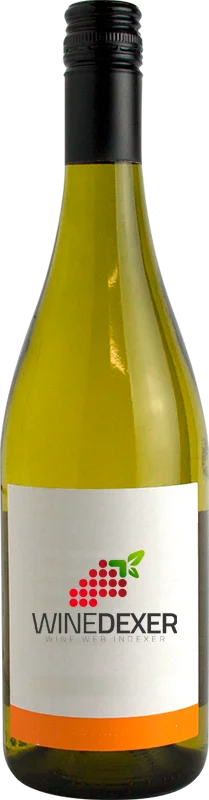
Winery MontignyGrauburgunder Karthäuser
 White wine


In the mouth this white wine is a powerful.
This wine generally goes well with pork, cured meat or mushrooms.
Taste structure of the Grauburgunder Karthäuser from the Winery Montigny
Light | Bold | |
Dry | Sweet | |
Soft | Acidic |
In the mouth the Grauburgunder Karthäuser of Winery Montigny in the region of Nahe is a powerful.
Food and wine pairings with Grauburgunder Karthäuser
Pairings that work perfectly with Grauburgunder Karthäuser


Original food and wine pairings with Grauburgunder Karthäuser

The Grauburgunder Karthäuser of Winery Montigny matches generally quite well with dishes of pork, spicy food or mushrooms such as recipes of flamenkuche express, phad thai (thai style fried noodles) or turkey stir-fry with curry.
Details and technical informations about Winery Montigny's Grauburgunder Karthäuser.
Discover the grape variety: Madeleine angevine
Resulting from a sowing carried out in 1857 in Angers (Maine and Loire Valley) by Jean-Pierre Vibert and from 1863 marketed by the Moreau-Robert company. According to genetic analyses, this variety is the result of a cross between the royal madeleine and the blanc d'ambre. It has been used very often by hybridizers, the Csaba pearl being a good example. This variety is found in the United States (Washington), Germany and England, where it is vinified and its wine appreciated. - Synonymy: Angevine (for all the synonyms of the varieties, click here!).
Last vintages of this wine
The best vintages of Grauburgunder Karthäuser from Winery Montigny are 0
Informations about the Winery Montigny
The Winery Montigny is one of of the world's greatest estates. It offers 33 wines for sale in the of Nahe to come and discover on site or to buy online.

The wine region of Nahe
Nahe is one of the smaller German wine regions, named after the Nahe river which joins the Rhein at Rheinhessen/bingen">Bingen. The viticultural carea here is characterised by dramatic topography with steep slopes and craggy outcrops of metamorphic rock. Like most of the regions on or near the Rhine, its most prestigious wines are made from Riesling. There are around 4,000 hectares (10,000 acres) of Vineyards, spread across seven Grosslagen (wine districts) and over 300 Einzellagen (individual vineyard sites).
The word of the wine: Brut nature (or ultra brut)
A type of champagne that has not received any dosage liqueur.