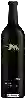
Winery MontesquieuAccomplishment Cabernet Sauvignon
 wine
wine
This wine generally goes well with
The Accomplishment Cabernet Sauvignon of the Winery Montesquieu is in the top 0 of wines of Napa Valley.

Details and technical informations about Winery Montesquieu's Accomplishment Cabernet Sauvignon.
Discover the grape variety: Plavina
Supple, fruity reds with a clear ruby colour, smooth tannins and an airy, fresh palate; signature aromas of red fruits (cherry, raspberry), Mediterranean herbs (thyme, rosemary) and Dalmatian garrigue notes. Also as fresh, easy-drinking Croatian rosés. Often blended with Plavac Mali for accessible Dalmatian reds. Indigenous Croatian black grape, grown on the Dalmatian coast, mainly in Central Dalmatia.
Informations about the Winery Montesquieu
The Winery Montesquieu is one of of the world's great estates. It offers 67 wines for sale in the of Napa Valley to come and discover on site or to buy online.

The wine region of Napa Valley
Absolute reference for American Cabernet Sauvignon: powerful, opulent reds with ripe aromas of blackcurrant, blackberry, chocolate and cedar, velvety tannins and a silky finish, long ageing. Also round Merlot, rich buttery Chardonnay, fruity Sauvignon Blanc, spicy Zinfandel. Narrow Californian valley between the Mayacamas and Vaca Mountains, tempered by San Pablo Bay fog, 17 sub-AVAs (Oakville, Rutherford, Stags Leap, Howell Mountain). Cradle of icons Opus One, Screaming Eagle, Caymus.
The wine region of California
Powerful, sunny reds: dense Napa Cabernet Sauvignon (blackcurrant, chocolate, tobacco, ample tannins), spicy, jammy Zinfandel from the Sierra Foothills, silky red-fruited Pinot Noir on the cool coast (Sonoma, Russian River, Central Coast). Opulent, buttery Chardonnay, notes of yellow fruit and vanilla. Varied climate, from the hot interior to the Pacific-cooled coast. 80% of US production, 139 AVAs including Napa (1st AVA, 1981).
The word of the wine: Malolactic fermentation
Called second fermentation or malo for short. It is the degradation (under the effect of bacteria) of the malic acid naturally present in the wine into milder, less aggressive lactic acid. Some producers or wineries refuse this operation by "blocking the malo" (by cold and adding SO2) to keep a maximum of acidity which carries the aromas and accentuates the sensation of freshness.