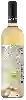
Winery MonferrinaSforza Fogliani Gutturnio Classico Superiore
 wine
wine
This wine generally goes well with
The Sforza Fogliani Gutturnio Classico Superiore of the Winery Monferrina is in the top 0 of wines of Gutturnio.

Details and technical informations about Winery Monferrina's Sforza Fogliani Gutturnio Classico Superiore.
Discover the grape variety: Cornalin du Valais
Structured, elegant reds with a deep purple hue, firm, fine tannins and an ample, fresh palate, showing aromas of red and black fruits (black cherry, blackcurrant), spices (pepper) and alpine mineral notes. Ageing profile. Star of the great Valais reds, thriving on the sun-drenched slopes of the Swiss Rhône for celebrated age-worthy wines. Native Swiss black grape of the Valais (formerly Rouge du Pays), identical to the Cornalin d'Aoste.
Informations about the Winery Monferrina
The Winery Monferrina is one of of the world's greatest estates. It offers 10 wines for sale in the of Gutturnio to come and discover on site or to buy online.

The wine region of Gutturnio
Historic DOC of the Colli Piacentini (Emilia-Romagna, 1967): signature blend of Barbera (55-70%) and Croatina known as Bonarda (30-45%) in red — bright ruby robe, signature vinous aromas of cherry, red fruits and a floral rose touch, dry or semi-dry palate balancing Barbera's edge with Bonarda's sweetness. Still, signature frizzante or Superiore versions. Northern slope of the Ligurian Apennines, royal pairing with charcuterie and local pasta.
The wine region of Emilia-Romagna
Kingdom of Lambrusco: fresh, fruity sparkling reds (blackberry, cherry, violet), from gourmet dry to convivial off-dry, perfect with local charcuterie. World's best-selling sparkling wine on the Emilia side (Sorbara, Grasparossa, Salamino). East, Romagna: supple fruity Sangiovese, Albana (Italy's 1st white DOCG, 1987) ample and almondy. Also red Gutturnio and white Pignoletto.
The word of the wine: Phylloxera
Aphid that came from America and ravaged European vineyards at the end of the 19th century. It lives on the roots of the vine, from which it pumps the sap. The only vines capable of resisting it had to be imported from the United States, and then grafted onto their root system the wood of traditional French grape varieties. Today, grafted vines are always planted.