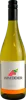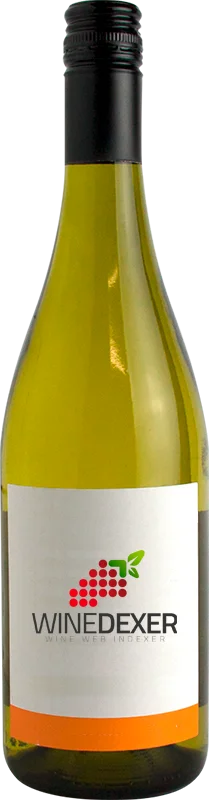
Winery Michel LangloisSauvignon Blanc
 White wine


This wine generally goes well with vegetarian, rich fish (salmon, tuna etc) or shellfish.

Food and wine pairings with Sauvignon Blanc
Pairings that work perfectly with Sauvignon Blanc



Original food and wine pairings with Sauvignon Blanc
The Sauvignon Blanc of Winery Michel Langlois matches generally quite well with dishes of rich fish (salmon, tuna etc), shellfish or vegetarian such as recipes of sublime salmon (stuffed salmon), quenelles in nantua sauce or summer tuna quiche.
Details and technical informations about Winery Michel Langlois's Sauvignon Blanc.
Discover the grape variety: Jacquère
Lively and thirst-quenching whites with a pale colour, a lean palate and brisk acidity, on delicate aromas of white flowers (hawthorn), citrus, green apple, fresh almond and characteristic alpine mineral notes of flint. Light finish, best drunk young. The absolute star of Vin de Savoie AOC crus (Apremont, Abymes, Chignin, Cruet) on the limestone scree of Mont Granier. Native Savoyard variety, the most planted in the French alpine vineyards.
Last vintages of this wine
The best vintages of Sauvignon Blanc from Winery Michel Langlois are 2018
Informations about the Winery Michel Langlois
The Winery Michel Langlois is one of of the world's greatest estates. It offers 15 wines for sale in the of Loire Valley to come and discover on site or to buy online.

The wine region of Loire Valley
Kingdom of lively, dry whites and fine sparklers. Mineral, taut Sauvignon Blanc (Sancerre, Pouilly-Fumé) with citrus and gunflint notes. Multiform Chenin Blanc (Vouvray, Savennières, Layon): straight dry, floral off-dry or noble sweet honey-quince. Saline, iodised Muscadet (Melon B.
The word of the wine: Performance
Quantity of grapes harvested per hectare. In AOC, the average yield is limited on the proposal of the appellation syndicate, validated by the Inao. The use of high-performance plant material (especially clones) and better control of vine diseases have increased yields. This is not without consequences on the quality of the wines (dilution) and on the state of the market (too much wine). We must not over-simplify: low yields are not synonymous with quality, and it is often in years with generous harvests that we find the greatest vintages (1982 and 1986 in Bordeaux, 1996 in Champagne, 1990 and 2005 in Burgundy...).