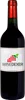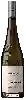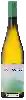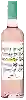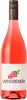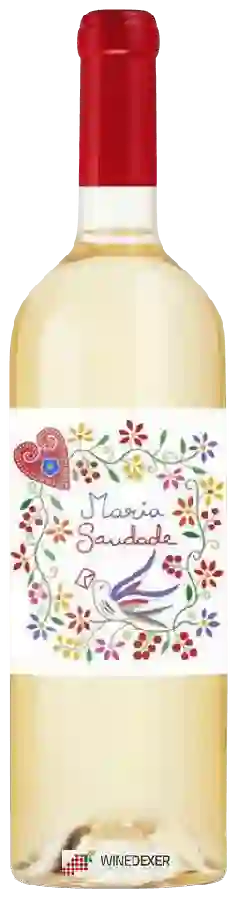
Winery Quintas de MelgaçoMaria Saudade Rosé
 Pink wine


This wine generally goes well with

Details and technical informations about Winery Quintas de Melgaço's Maria Saudade Rosé.
Discover the grape variety: Bogazkere
Powerful, tannic reds with an almost black ink-dark robe, firm, astringent tannins and a dense palate, showing intense aromas of blackberry, blackcurrant, black plum, leather, spices, tobacco and balsamic notes. Fine ageing potential. Star of the great Turkish reds on the arid terroirs of south-east Anatolia (Diyarbakır region, Tigris valley), often blended with öküzgözü to soften its structure. Autochthonous Anatolian variety, its name means "throat-burner" in Turkish.
Last vintages of this wine

The best vintages of Maria Saudade Rosé from Winery Quintas de Melgaço are 2018, 2014, 2017, 0 and 2016.
Informations about the Winery Quintas de Melgaço
The Winery Quintas de Melgaço is one of of the world's great estates. It offers 53 wines for sale in the of Vinho Verde to come and discover on site or to buy online.

The wine region of Vinho Verde
Portuguese star of fresh, slightly sparkling white. High-end Alvarinho in Monção and Melgaço: mineral, precise whites with signature notes of lemon, white peach, flowers and a tense saline finish. Aromatic Loureiro (orange blossom, bay leaf), round Trajadura, full Avesso, lively Arinto. Light natural effervescence, low alcohol (9-11°), sharp vivacity: ideal aperitif and seafood.
The wine region of Minho
Portugal's northernmost region, heart of Atlantic Vinho Verde. Signature lively, lightly sparkling whites with signature notes of citrus, green apple, white flowers, fresh herbs and a saline touch, thirst-quenching, low-alcohol palate — the sunshine wine par excellence. High-end star Alvarinho (peach, exotic fruits, minerality), floral Loureiro (laurel), ample Trajadura, taut Arinto, structured Avesso. Vinhão as lively red.
The word of the wine: Flavours
There are generally four so-called fundamental flavours: acidity, bitterness, sweetness and saltiness. The first three are considered to be the building blocks of the structure of wines. They are perceived by the taste buds that cover the surface of the tongue.