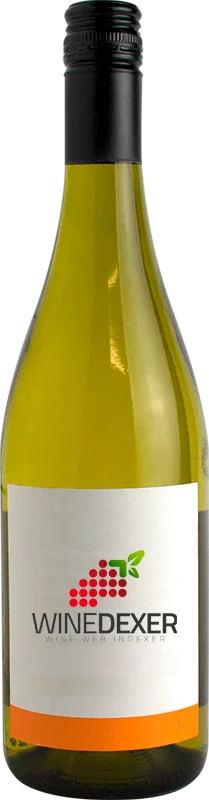
Winery MedievoBlanco
 White wine



In the mouth this white wine is a powerful with a nice freshness.
This wine generally goes well with appetizers and snacks, lean fish or shellfish.
Taste structure of the Blanco from the Winery Medievo
Light | Bold | |
Dry | Sweet | |
Soft | Acidic |
In the mouth the Blanco of Winery Medievo in the region of Rioja is a powerful with a nice freshness.
Wine flavors and olphactive analysis

Food and wine pairings with Blanco
Pairings that work perfectly with Blanco



Original food and wine pairings with Blanco

The Blanco of Winery Medievo matches generally quite well with dishes of shellfish, appetizers and snacks or lean fish such as recipes of shrimp curry and coconut (thailand), boquerones anchovies in vinegar or oven marinated swordfish.
Details and technical informations about Winery Medievo's Blanco.
Discover the grape variety: Floreal
A wine grape variety of the INRA-Resdur1 series with polygenic resistance (two genes for mildew and powdery mildew have been identified), resulting from an interspecific cross between Villaris and Mtp 3159-2-12 (for the latter, one of its parents is Vitis rotundifolia, which is resistant to Pierce's disease, mildew, grey rot, etc.). Little multiplied, it is registered in the Official Catalogue of wine grape varieties list A1.
Last vintages of this wine
The best vintages of Blanco from Winery Medievo are 2018, 0, 2013
Informations about the Winery Medievo
The Winery Medievo is one of of the world's greatest estates. It offers 17 wines for sale in the of Rioja to come and discover on site or to buy online.

The wine region of Rioja
Rioja, in northern Spain, is best known for its berry-flavored, barrel-aged red wines made from Tempranillo and Garnacha. It is probably the leading wine region in Spain. It is certainly the most famous, rivaling only Jerez. The Vineyards follow the course of the Ebro for a hundred kilometres between the towns of Haro and Alfaro.
The word of the wine: Lies
A deposit formed by dead yeast after fermentation. Some white wines are aged on their lees, which makes their aromas and structure more complex and richer.