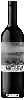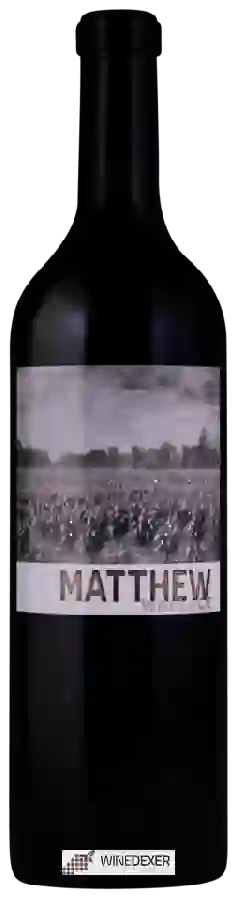
Winery Matthew WallaceRegusci Ranch Cabernet Sauvignon
 wine
wine
This wine generally goes well with
The Regusci Ranch Cabernet Sauvignon of the Winery Matthew Wallace is in the top 0 of wines of Stags Leap District.
Details and technical informations about Winery Matthew Wallace's Regusci Ranch Cabernet Sauvignon.
Discover the grape variety: Arriloba
The white Arriloba is a grape variety that originated in . It produces a variety of grape specially used for the elaboration of wine. It is rare to find this grape to eat on our tables. This variety is characterized by medium-sized bunches and small grapes. White Arriloba can be found in several vineyards: South West, Cognac, Bordeaux, Loire Valley, Provence & Corsica, Languedoc & Roussillon, Rhone Valley, Armagnac.
Informations about the Winery Matthew Wallace
The Winery Matthew Wallace is one of of the world's greatest estates. It offers 3 wines for sale in the of Stags Leap District to come and discover on site or to buy online.

The wine region of Stags Leap District
The wine region of Stags Leap District is located in the region of Napa Valley of California of United States. Wineries and vineyards like the Domaine Cliff Lede or the Domaine Hall OVW produce mainly wines red, pink and white. The most planted grape varieties in the region of Stags Leap District are Cabernet-Sauvignon, Merlot and Cabernet franc, they are then used in wines in blends or as a single variety. On the nose of Stags Leap District often reveals types of flavors of cherry, black plum or espresso and sometimes also flavors of baking spice, cigar box or pipe tobacco.
The wine region of California
California is the largest and most important wine region in the United States. It represents the southern two-thirds (850 miles or 1,370 kilometers) of the country's west coast. (Oregon and Washington make up the rest. ) The state also spans nearly 10 degrees of latitude.
The word of the wine: Chaptalization
The addition of sugar at the time of fermentation of the must, an ancient practice, but theorized by Jean-Antoine Chaptal at the dawn of the 19th century. The sugar is transformed into alcohol and allows the natural degree of the wine to be raised in a weak or cold year, or - more questionably - when the winegrower has a harvest that is too large to obtain good maturity.