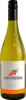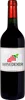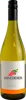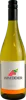
Winery Martial DirringerL'Éveil des sens Muscat d'Alsace
 wine
wine
This wine generally goes well with
The L'Éveil des sens Muscat d'Alsace of the Winery Martial Dirringer is in the top 0 of wines of Alsace.

Details and technical informations about Winery Martial Dirringer's L'Éveil des sens Muscat d'Alsace.
Discover the grape variety: Ravat 51
Aromatic and lively whites and sweet wines with a deep golden robe, an ample palate, with signature muscat aromas, white flowers, apricot, honey and candied citrus notes. Also as late-harvest and icewines. Grown mainly in the north-eastern United States and Canada for rigorous continental climates. French grey hybrid obtained by Jean-François Ravat in the early 20th century, also known as Vignoles in the United States.
Informations about the Winery Martial Dirringer
The Winery Martial Dirringer is one of of the world's greatest estates. It offers 11 wines for sale in the of Alsace to come and discover on site or to buy online.

The wine region of Alsace
Capital of great French aromatic whites, most often dry and single-varietal. Straight, mineral Riesling (lemon, gunflint), opulent, exuberant Gewurztraminer (lychee, rose, spices), round, smoky Pinot Gris, floral, crisp Muscat, supple Pinot Blanc. Fine, fruity Crémants d'Alsace, exceptional sweet Vendanges Tardives and Sélection de Grains Nobles. 15,500 ha at the foot of the Vosges on varied soils, 51 Grands Crus since 1975.
The word of the wine: PDO
Protected Designation of Origin - equivalent to the term "controlled designation of origin" in European regulations.