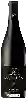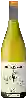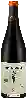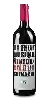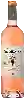
Winery MarrenonRoséfine
 Pink wine



In the mouth this pink wine is a powerful.
This wine generally goes well with pork, poultry or rich fish (salmon, tuna etc).
Taste structure of the Roséfine from the Winery Marrenon
Light | Bold | |
Dry | Sweet | |
Soft | Acidic |
In the mouth the Roséfine of Winery Marrenon in the region of Méditerranée is a powerful.
Wine flavors and olphactive analysis


On the nose the Roséfine of Winery Marrenon in the region of Méditerranée often reveals types of flavors of citrus, strawberries or lavender and sometimes also flavors of citrus fruit, red fruit or floral.
Food and wine pairings with Roséfine
Pairings that work perfectly with Roséfine



Original food and wine pairings with Roséfine

The Roséfine of Winery Marrenon matches generally quite well with dishes of pork, rich fish (salmon, tuna etc) or shellfish such as recipes of ham croquette with purée, tartiflette with smoked salmon or shrimp in coconut milk.
Details and technical informations about Winery Marrenon's Roséfine.
Discover the grape variety: Merlot
Merlot noir is a grape variety that originated in France (Bordeaux). It produces a variety of grape specially used for wine making. It is rare to find this grape to eat on our tables. This variety of grape is characterized by small to medium sized bunches, and medium sized grapes. Merlot noir can be found in many vineyards: South West, Languedoc & Roussillon, Cognac, Bordeaux, Loire Valley, Armagnac, Burgundy, Jura, Champagne, Rhone Valley, Beaujolais, Provence & Corsica, Savoie & Bugey.
Last vintages of this wine
The best vintages of Roséfine from Winery Marrenon are 2013, 2019, 2018, 2017 and 2015.
Informations about the Winery Marrenon
The Winery Marrenon is one of of the world's great estates. It offers 108 wines for sale in the of Méditerranée to come and discover on site or to buy online.

The wine region of Méditerranée
Méditérranée is a PGI title that covers wines produced in a large area of the South-eastern coast of France, roughly corresponding to the wine region of Provence but also including Part of the Rhône Valley. The PGI shares its territory with multiple AOC appellations as varied as Châteauneuf-du-Pape, Bandol and Côtes de Provence. The PGI Méditérranée catchment area extends over 10 departments (including the two on the island of Corsica), as well as smaller parts of the Isère, Loire and Rhône departments. Viticulture is essential to the culture and economy of this part of France.
The word of the wine: New wine
Wine of the year, fruity and easy to drink. Beaujolais Nouveau is not the only one in this category, the Côtes-du-Rhône, Touraine and Gaillac appellations also produce new wines.