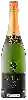
Winery Marqués de GelidaCava Blanc de Blancs Brut Nature Reserva
 wine
wine
This wine generally goes well with
The Cava Blanc de Blancs Brut Nature Reserva of the Winery Marqués de Gelida is in the top 0 of wines of Cava.

Details and technical informations about Winery Marqués de Gelida's Cava Blanc de Blancs Brut Nature Reserva.
Discover the grape variety: Blütenmuskateller
Aromatic, sweet and sparkling whites with a pale golden robe, perfumed palate and fresh acidity; muscat-like aromas (fresh grape, flowers) more subtle than classic muscats. Resistant to downy and powdery mildew. Grown in central and eastern Europe and Australia for sweet aromatic wines. White hybrid bred in Russia in 1947 (severnyj × muscat blanc à petits grains).
Last vintages of this wine


The best vintages of Cava Blanc de Blancs Brut Nature Reserva from Winery Marqués de Gelida are 0
Informations about the Winery Marqués de Gelida
The Winery Marqués de Gelida is one of of the world's great estates. It offers 25 wines for sale in the of Cava to come and discover on site or to buy online.

The wine region of Cava
Spain's star traditional-method sparkler, the Iberian equivalent of Champagne. Three Catalan grapes blended: Macabeo (apple, freshness), Xarel-lo (body and herbaceous notes), Parellada (elegance and floral finesse). Chardonnay and Pinot Noir also allowed. From fruit-driven Brut to Gran Reserva (30 months on lees) with brioche and toasted notes.
The word of the wine: Primeur
Said of wines from the last vintage and, by extension, wines of the year, fruity and easy-drinking, put on sale on the third Thursday in November. The AOC regulations specify that a wine is said to be primeur if it is bottled before the spring, and nouveau if it is bottled before the following harvest. Beaujolais Nouveau is therefore a vin primeur.