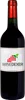
Winery Marques de CariñenaReserva Tinto
 Red wine


In the mouth this red wine is a powerful.
This wine generally goes well with poultry, beef or veal.

Taste structure of the Reserva Tinto from the Winery Marques de Cariñena
Light | Bold | |
Smooth | Tannic | |
Dry | Sweet | |
Soft | Acidic |
In the mouth the Reserva Tinto of Winery Marques de Cariñena in the region of Cava is a powerful.
Food and wine pairings with Reserva Tinto
Pairings that work perfectly with Reserva Tinto



Original food and wine pairings with Reserva Tinto

The Reserva Tinto of Winery Marques de Cariñena matches generally quite well with dishes of beef, pasta or veal such as recipes of oxtail and carrot stew, pasta with walnuts and treviso red salad or simple veal sauté.
Details and technical informations about Winery Marques de Cariñena's Reserva Tinto.
Discover the grape variety: Sémillon
Rich, structured whites with a golden robe, full palate and moderate acidity. Aromas of yellow fruits (peach, apricot), honey, white flowers, beeswax, brioche and white truffle with age. Exceptional aptitude for noble rot. Star of Sauternes AOC and Barsac AOC, pillar of dry whites in Graves and Pessac-Léognan AOC, and of long-lived dry whites in Hunter Valley (Australia). Native Bordeaux variety.
Last vintages of this wine
The best vintages of Reserva Tinto from Winery Marques de Cariñena are 2010, 0
Informations about the Winery Marques de Cariñena
The Winery Marques de Cariñena is one of of the world's greatest estates. It offers 2 wines for sale in the of Cava to come and discover on site or to buy online.

The wine region of Cava
Spain's star traditional-method sparkler, the Iberian equivalent of Champagne. Three Catalan grapes blended: Macabeo (apple, freshness), Xarel-lo (body and herbaceous notes), Parellada (elegance and floral finesse). Chardonnay and Pinot Noir also allowed. From fruit-driven Brut to Gran Reserva (30 months on lees) with brioche and toasted notes.
The word of the wine: Juice
The juice of wine grapes (intended for wine making) is colourless. It is the anthocyanins contained in the grape skin that colour the juice during maceration.