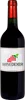
Cave du MarmandaisLouis Danus Merlot
 Red wine
This wine generally goes well with poultry, beef or veal.
Food and wine pairings with Louis Danus Merlot
Pairings that work perfectly with Louis Danus Merlot



Original food and wine pairings with Louis Danus Merlot

The Louis Danus Merlot of Cave du Marmandais matches generally quite well with dishes of beef, veal or game (deer, venison) such as recipes of tournedos with foie gras, oxtail confit in red wine or rabbit in white wine (casserole).
Details and technical informations about Cave du Marmandais's Louis Danus Merlot.
Discover the grape variety: Merlot
Merlot is a red grape variety with small black berries that appeared at the end of the 18th century. It is produced in most of the Bordeaux terroirs, where it represents 58% of the planted area, and its best terroir is located in Pomerol and Saint-Emilion on cool, clay-limestone soils. At the mythical Château Pétrus, the wine is made with 95% Merlot, with a dark, dense colour, aromas of red and black fruits and a superb range of flavours, the Merlot transforms during its ageing to give way to notes of prunes, undergrowth and spices. On the palate, it is supple with distinguished tannins. It is often blended with Cabernet Sauvignon. Merlot is no longer exclusive to Bordeaux, it is nowadays vinified all over the world.
Informations about the Cave du Marmandais
The Cave du Marmandais is one of wineries to follow in Bordeaux.. It offers 172 wines for sale in the of Bordeaux to come and discover on site or to buy online.

The wine region of Bordeaux
World-renowned age-worthy reds, led by round Merlot (plum, black fruit) or firm Cabernet Sauvignon (blackcurrant, cedar, graphite), blended with Cabernet Franc and Petit Verdot for tannic structure. Structured Médoc and Graves, velvety Saint-Émilion and Pomerol. Also crisp dry whites (Sauvignon/Sémillon) and opulent sweet Sauternes with honey and candied fruit. A 110,000 ha Gironde vineyard, 65 appellations, cradle of the 1855 classified growths.
The word of the wine: Water stress
Lack of water. Water stress blocks the vegetative cycle of the vine, which uses all available resources to maintain the integrity of the plant, thus blocking the ripening process of the grapes.