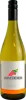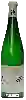
Winery Manfred Stein & SohnMosel Mosecco Riesling Trocken
 Red wine
This wine generally goes well with pork, poultry or shellfish.
Food and wine pairings with Mosel Mosecco Riesling Trocken
Pairings that work perfectly with Mosel Mosecco Riesling Trocken



Original food and wine pairings with Mosel Mosecco Riesling Trocken


The Mosel Mosecco Riesling Trocken of Winery Manfred Stein & Sohn matches generally quite well with dishes of pork, shellfish or spicy food such as recipes of grandma's chicken casserole, shrimp in coconut milk or oriental stuffed vegetables.
Details and technical informations about Winery Manfred Stein & Sohn's Mosel Mosecco Riesling Trocken.
Discover the grape variety: Riesling
White Riesling is a grape variety that originated in France (Alsace). It produces a variety of grape specially used for the elaboration of wine. It is rare to find this grape to eat on our tables. This variety of grape is characterized by small bunches, and small grapes. White Riesling can be found in many vineyards: Alsace, Loire Valley, Languedoc & Roussillon, Lorraine, Provence & Corsica, Rhone Valley, Savoie & Bugey, Beaujolais, South West.
Informations about the Winery Manfred Stein & Sohn
The Winery Manfred Stein & Sohn is one of of the world's great estates. It offers 13 wines for sale in the of Mosel to come and discover on site or to buy online.

The wine region of Mosel
Mosel is the most famous of Germany's 13 official wine regions, and also the third largest in terms of production. As with many German regions, it is most aasociated with a range of wine styles made from the Riesling grape variety, but Müller-Thurgau is also widely planted. The best Mosel Riesling wines are some of the finest whites in the world. Light and low in Alcohol, they can be intensely fragrant with beguiling Floral">floral and Mineral notes, and a wonderful Balance of sweetness and Acidity.
The word of the wine: Aging
Period during which a wine is kept in a cellar where it goes through different phases of evolution of its aromatic range and a maturation of its constituents (evolution of the colour, refining of the tannins, harmonization of the different flavours, etc.). The wine evolves better and less quickly in large containers, whereas it deteriorates prematurely in half-bottles.