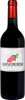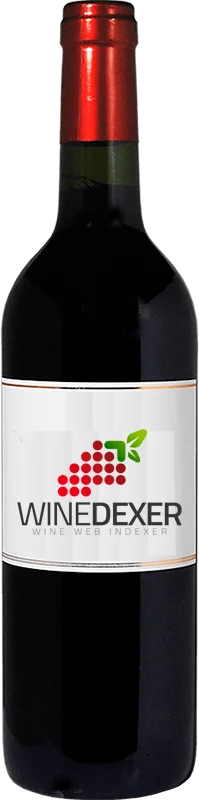
Château de MalvesDe Pére en Fils Minervois
 Red wine
In the mouth this red wine is a powerful with a nice balance between acidity and tannins.
This wine generally goes well with beef, veal or pasta.
Taste structure of the De Pére en Fils Minervois from the Château de Malves
Light | Bold | |
Smooth | Tannic | |
Dry | Sweet | |
Soft | Acidic |
In the mouth the De Pére en Fils Minervois of Château de Malves in the region of Languedoc-Roussillon is a powerful with a nice balance between acidity and tannins.
Food and wine pairings with De Pére en Fils Minervois
Pairings that work perfectly with De Pére en Fils Minervois



Original food and wine pairings with De Pére en Fils Minervois
The De Pére en Fils Minervois of Château de Malves matches generally quite well with dishes of beef, pasta or veal such as recipes of authentic bolognese sauce (ragù di carne), italian pasta salad or bocconcini (veal rolls with ham and comté).
Details and technical informations about Château de Malves's De Pére en Fils Minervois.
Discover the grape variety: Picolit noir
A very old grape variety, which almost disappeared, cultivated for a very long time in the north-east of Italy, more precisely in the region of Friuli bordering with Aurelia and Slovenia. It can be found in Italy, but also in Spain, ... in France it is completely unknown. Note that it is not related to the white picolit.
Informations about the Château de Malves
The Château de Malves is one of of the world's greatest estates. It offers 4 wines for sale in the of Minervois to come and discover on site or to buy online.

The wine region of Minervois
Minervois is an appellation for distinctive red wines from the western Languedoc region of France. In general, they are softer than those produced in the Corbières, just to the South. The Minervois appellation also covers rosé and white wines. The predominant Grape varieties used in AOC Minervois wines are Grenache, Syrah and Mourvèdre.
The wine region of Languedoc-Roussillon
Languedoc (formerly Coteaux du Languedoc) is a key appellation used in the Languedoc-Roussillon wine region of southern France. It covers Dry table wines of all three colors (red, white and rosé) from the entire region, but leaves Sweet and Sparkling wines to other more specialized appellations. About 75% of all Languedoc wines are red, with the remaining 25% split roughly down the middle between whites and rosés. The appellation covers most of the Languedoc region and almost a third of all the vineyards in France.
The word of the wine: Trading
Term used to designate the wine trade and related professions. Sometimes used in contrast to viticulture.