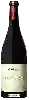
Winery Maurel VedeauCuvée Prestige
 Red wine
This wine generally goes well with beef, veal or pasta.

Food and wine pairings with Cuvée Prestige
Pairings that work perfectly with Cuvée Prestige



Original food and wine pairings with Cuvée Prestige
The Cuvée Prestige of Winery Maurel Vedeau matches generally quite well with dishes of beef, pasta or veal such as recipes of pork tongue with bacon and onions, pasta with 4 cheese sauce or veal paupiettes with mushrooms.
Discover the grape variety: Mourvèdre
Powerful, deep reds with firm tannins and dense texture, showing aromas of blackberry, leather, garrigue, black pepper, liquorice and animal notes (game, forest floor) with age. Star of Bandol AOC as a single variety and pillar of Châteauneuf-du-Pape, Gigondas and Costières blends. Also in GSM in Languedoc and Australia. A late-ripening variety of Spanish origin (Mataró/Monastrell).
Informations about the Winery Maurel Vedeau
The Winery Maurel Vedeau is one of of the world's great estates. It offers 69 wines for sale in the of Hérault to come and discover on site or to buy online.

The wine region of Hérault
Vast Languedoc IGP between the Cévennes and the Étang de Thau: Syrah, Grenache and Mourvèdre signatures in powerful, fruity reds with black fruit (blackberry, blackcurrant), garrigue, Mediterranean spices and a peppery touch, coated tannins. Cabernet, Merlot, Cinsault and Carignan complement. Grenache Blanc, Macabeu and Terret in accessible whites, plus aromatic Sauvignon, Chardonnay, Viognier. Fresh rosés.
The wine region of Pays d'Oc
The single-grape IGP par excellence: modern, accessible, frank and fruity wines, the popular signature of the Midi. Spicy Syrah reds (pepper, blackberry), round Merlot, structured Cabernet, generous Grenache, supple Cinsault. Crisp, tangy rosés. Opulent Chardonnay whites, lively Sauvignon, floral, apricoty Viognier.
The word of the wine: Draft liquor (champagne)
After blending, the wine is bottled with a liqueur de tirage (a mixture of sugar and wine) and a yeast (selected yeasts). The yeast attacks the sugar and creates carbon dioxide. The fermentation, which lasts about two months, is prolonged by an ageing period (15 months minimum in total). The bottle is capped (some rare vintages are capped with a staple and a cork).