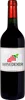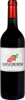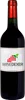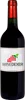
Winery Lumiere de VieSauvignon Blanc
 White wine



In the mouth this white wine is a powerful with a nice freshness.
This wine generally goes well with vegetarian, shellfish or goat cheese.
Taste structure of the Sauvignon Blanc from the Winery Lumiere de Vie
Light | Bold | |
Dry | Sweet | |
Soft | Acidic |
In the mouth the Sauvignon Blanc of Winery Lumiere de Vie in the region of California is a powerful with a nice freshness.
Food and wine pairings with Sauvignon Blanc
Pairings that work perfectly with Sauvignon Blanc



Original food and wine pairings with Sauvignon Blanc
The Sauvignon Blanc of Winery Lumiere de Vie matches generally quite well with dishes of shellfish, vegetarian or goat cheese such as recipes of cuttlefish armorican style (morgate), zucchini and goat cheese quiche or goat's cheese tartine au gratin.
Details and technical informations about Winery Lumiere de Vie's Sauvignon Blanc.
Discover the grape variety: Attiki
Variety obtained in Greece by Vassilis Mikos by crossing the Alphonse Lavallée with the black monukka, registered at the end of 2002 in the Official Catalogue of table grape varieties list A1.
Last vintages of this wine
The best vintages of Sauvignon Blanc from Winery Lumiere de Vie are 2012, 0, 2013
Informations about the Winery Lumiere de Vie
The Winery Lumiere de Vie is one of of the world's greatest estates. It offers 8 wines for sale in the of California to come and discover on site or to buy online.

The wine region of California
California is the largest and most important wine region in the United States. It represents the southern two-thirds (850 miles or 1,370 kilometers) of the country's west coast. (Oregon and Washington make up the rest. ) The state also spans nearly 10 degrees of latitude.
The word of the wine: Oxidation
Alteration of the wine caused by prolonged contact with oxygen and resulting in a coppery colour with brown reflections and the appearance of typical aromas reminiscent of rancid nuts.