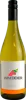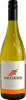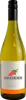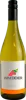
Winery LukasiTvishi
 White wine


This wine generally goes well with

Details and technical informations about Winery Lukasi's Tvishi.
Discover the grape variety: Fer-servadou
Structured, spicy reds with a deep ruby robe, firm tannins and fresh acidity, showing characteristic aromas of red pepper, blackcurrant, raspberry, blackberry, black pepper, spices and herbal notes. Dense, distinctive palate with fine ageing potential. Star of Marcillac AOC and Estaing AOC in Aveyron, pillar of Gaillac AOC (as braucol) and Madiran AOC (as pinenc). Autochthonous South-West variety, identity signature of the great Aveyron reds.
Last vintages of this wine

The best vintages of Tvishi from Winery Lukasi are 2014, 0, 2015
Informations about the Winery Lukasi
The Winery Lukasi is one of of the world's greatest estates. It offers 9 wines for sale in the of Tvishi to come and discover on site or to buy online.

The wine region of Tvishi
Georgian PDO of the Lechkhumi highlands (Rioni valley, Racha-Lechkhumi), a confidential microzone. Tsolikouri is the sole autochthonous white grape: pale gold, intensely aromatic with kiwi, green apple, peach, honey, roasted nut and floral hints. Natural sweetness — fermentation stopped by cold — balanced by racy acidity. No added sugar.
The wine region of Racha-Lechkhumi
Prestigious small region in north-west Georgia in the high Caucasus valleys, altitude vineyards on schisto-calcareous soils. Aleksandrouli is the native king in reds: full-bodied and rich with notes of black cherry, blackberry, plum, spices and a floral touch, dense tannins — blended with Mujuretuli for the flagship Khvanchkara (legendary semi-sweet red, favourite of Stalin). Rare native Usakhelauri and Otskhanuri Sapere. Textured Tsolikouri in whites.
The word of the wine: Casting
Preparatory phase of the wine-making process consisting in bursting the grapes in order to release the juice.