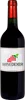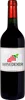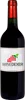
Winery Liquor CityCape Winds Dry Red
 wine
wine
This wine generally goes well with
The Cape Winds Dry Red of the Winery Liquor City is in the top 0 of wines of Swartland.
Details and technical informations about Winery Liquor City's Cape Winds Dry Red.
Discover the grape variety: Jurançon blanc
Mainly cultivated in the south-western part of France, white Jurançon is part of the Cognac and Armagnac grape varieties. It is not related to Jurançon Noir, even though it is quite similar. This grape variety comes from a cross with the white gouais and is in the process of disappearing. Its young leaves are bubbled and downy. The more mature ones have 5 lobes and a petiolar sinus. Jurançon Blanc has small, compact clusters and medium-sized berries. It is hardy and vigorous. Jurançon blanc is associated with an average budburst. This variety is upright. To avoid exhaustion, it is recommended to prune it short. Jurançon often suffers from gray mold, mildew and powdery mildew. Its maturity is early in the third period. In other words, this grape variety matures 20 days after Chasselas. The white wines obtained with white Jurançon are low in alcohol, acid and neutral. If they are distilled, the result is an eau de vie that is not very strong and not very marked.
Informations about the Winery Liquor City
The Winery Liquor City is one of of the world's great estates. It offers 17 wines for sale in the of Swartland to come and discover on site or to buy online.

The wine region of Swartland
The wine region of Swartland is located in the region of Coastal Region of Western Cape of South Africa. Wineries and vineyards like the Domaine Sadie Family or the Domaine Sadie Family produce mainly wines red, white and pink. The most planted grape varieties in the region of Swartland are Chenin blanc, Mourvèdre and Pinotage, they are then used in wines in blends or as a single variety. On the nose of Swartland often reveals types of flavors of cherry, marmalade or cantaloupe and sometimes also flavors of chard, poire nashi or red cherry.
The wine region of Western Cape
The Western Cape is home to the vast majority of the South African wine industry, and the country's two most famous wine regions, Stellenbosch and Paarl. The city of Cape Town serves as the epicenter of the Cape Winelands, a mountainous, biologically diverse area in the south-western corner of the African continent. A wide variety of wines are produced here. Wines from the Shiraz and Pinotage">Pinotage grape varieties can be fresh and juicy or Full-bodied and gutsy.
The word of the wine: Musky
Characteristic of the musk smell.