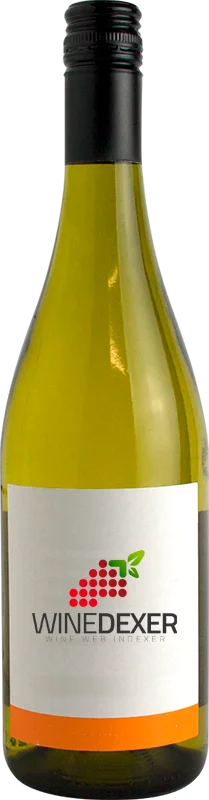
Winery LibertasReserva Sauvignon Blanc
 White wine
In the mouth this white wine is a with a nice freshness.
This wine generally goes well with vegetarian, shellfish or goat cheese.

Taste structure of the Reserva Sauvignon Blanc from the Winery Libertas
Light | Bold | |
Dry | Sweet | |
Soft | Acidic |
In the mouth the Reserva Sauvignon Blanc of Winery Libertas in the region of Central Valley is a with a nice freshness.
Food and wine pairings with Reserva Sauvignon Blanc
Pairings that work perfectly with Reserva Sauvignon Blanc


Original food and wine pairings with Reserva Sauvignon Blanc
The Reserva Sauvignon Blanc of Winery Libertas matches generally quite well with dishes of shellfish, vegetarian or goat cheese such as recipes of paella de marisco (seafood paella), summer tuna quiche or cannelloni with goat cheese and chicken eggplant.
Details and technical informations about Winery Libertas's Reserva Sauvignon Blanc.
Discover the grape variety: Autumn royal
Table grape with long bunches and elongated, seedless black-violet berries with thin skin and crunchy flesh, neutral sweet flavour. Late ripening, autumn harvest. Very rarely vinified. Grown in California, Australia, South Africa and Chile for export markets, prized for its attractive appearance and extended cold-storage life. An American seedless table grape variety developed in California in 1996.
Informations about the Winery Libertas
The Winery Libertas is one of of the world's great estates. It offers 21 wines for sale in the of Central Valley to come and discover on site or to buy online.

The wine region of Central Valley
Heart of modern Chilean wine: structured, sunny reds, dense, blackcurranty Cabernet Sauvignon from Maipo (Chilean cradle of the grape), signature Carménère with notes of ripe pepper, black fruit and sweet spices from Colchagua, supple Merlot and deep Syrah. Round Chardonnay whites and lively, sharp Sauvignon. Mediterranean climate, 400 km between Andes and Pacific. Star sub-regions: Maipo, Cachapoal, Colchagua, Curicó, Maule.
The word of the wine: Maturing (champagne)
After riddling, the bottles are stored on "point", upside down, with the neck of one bottle in the bottom of the other. The duration of this maturation is very important: in contact with the dead yeasts, the wine takes on subtle aromas and gains in roundness and fatness. A brut without year must remain at least 15 months in the cellar after bottling, a vintage 36 months.