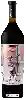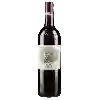
Winery Les Vignes d'AlbaBordeaux Superiore
 Red wine



In the mouth this red wine is a powerful with a nice balance between acidity and tannins.
This wine generally goes well with poultry, beef or veal.
Taste structure of the Bordeaux Superiore from the Winery Les Vignes d'Alba
Light | Bold | |
Smooth | Tannic | |
Dry | Sweet | |
Soft | Acidic |
In the mouth the Bordeaux Superiore of Winery Les Vignes d'Alba in the region of Bordeaux is a powerful with a nice balance between acidity and tannins.
Food and wine pairings with Bordeaux Superiore
Pairings that work perfectly with Bordeaux Superiore



Original food and wine pairings with Bordeaux Superiore

The Bordeaux Superiore of Winery Les Vignes d'Alba matches generally quite well with dishes of beef, veal or game (deer, venison) such as recipes of sloth pork loin, aiguillette of duck with honey or rabbit with hunter's sauce.
Details and technical informations about Winery Les Vignes d'Alba's Bordeaux Superiore.
Discover the grape variety: Krakhouna
It is believed to have originated in Georgia, where it is grown as both a table and wine grape. In France it is not known.
Last vintages of this wine
The best vintages of Bordeaux Superiore from Winery Les Vignes d'Alba are 2008
Informations about the Winery Les Vignes d'Alba
The Winery Les Vignes d'Alba is one of of the world's greatest estates. It offers 3 wines for sale in the of Bordeaux to come and discover on site or to buy online.

The wine region of Bordeaux
Bordeaux, in southwestern France, is one of the most famous, prestigious and prolific wine regions in the world. The majority of Bordeaux wines (nearly 90% of the production Volume) are the Dry, medium and Full-bodied red Bordeaux blends for which it is famous. The finest (and most expensive) are the wines of the great châteaux of Haut-Médoc and the right bank appellations of Saint-Émilion and Pomerol. The former focuses (at the highest level) on Cabernet Sauvignon, the latter on Merlot.
The word of the wine: De-vatting
Separation of the fermented juice from all solid particles (skin, pips, deposit of lees) by transferring it to a second tank.