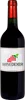
Winery Les PaïsselsLe Cinsault
 wine
wine
In the mouth this wine is a powerful with a nice balance between acidity and tannins.
This wine generally goes well with
The Le Cinsault of the Winery Les Païssels is in the top 0 of wines of Saint-Chinian.

Taste structure of the Le Cinsault from the Winery Les Païssels
Light | Bold | |
Smooth | Tannic | |
Dry | Sweet | |
Soft | Acidic |
In the mouth the Le Cinsault of Winery Les Païssels in the region of Languedoc-Roussillon is a powerful with a nice balance between acidity and tannins.


Details and technical informations about Winery Les Païssels's Le Cinsault.
Discover the grape variety: Koshu
Delicate, taut whites with a pale, slightly pinkish robe (grey-pink skin), an airy palate and fresh acidity, with subtle aromas of citrus (yuzu, grapefruit), green apple, white flowers, pear, almond and saline mineral notes. Slightly bitter, refined finish. Signature of the modern whites of Yamanashi (around Mount Fuji) and the locomotive of Japanese wine exports. Autochthonous hybrid variety (vinifera × vitis amurensis), cultivated in Japan for over a thousand years.
Informations about the Winery Les Païssels
The Winery Les Païssels is one of of the world's greatest estates. It offers 6 wines for sale in the of Saint-Chinian to come and discover on site or to buy online.

The wine region of Saint-Chinian
Languedoc cru between Beziers and Saint-Pons, signature dual terroir. Fleshy Mediterranean reds with notes of black fruit (blackberry, black cherry), garrigue, pepper, liquorice and spice, firm tannins and a sun-drenched palate. Northern schists: fruitier, smokier profile. Southern clay-limestone: more structured wines.
The wine region of Languedoc-Roussillon
Largest single French vineyard, dominated by sunny, generous reds. Spicy Syrah, candied Grenache (ripe fruit, garrigue), structured Carignan, deep Mourvèdre, supple Cinsault. Stars: structured Corbières, Minervois, Faugères, Saint-Chinian; round Côtes-du-Roussillon. Legendary vins doux naturels: Banyuls and Maury (fortified Grenache) with notes of cocoa, fig, prune.
The word of the wine: Amylic
Aroma reminiscent of banana, candy, and sometimes nail polish, particularly present in primeur wines. The amylic taste is reminiscent of the aromas of industrial confectionery and does not reflect a great expression of terroir.