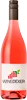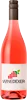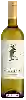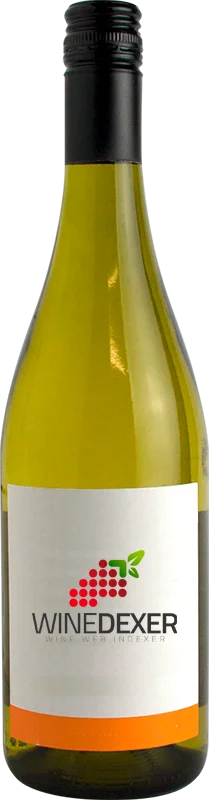
Winery Le Rosé de BessanSauvignon
 White wine


In the mouth this white wine is a .
This wine generally goes well with vegetarian, poultry or lean fish.
Taste structure of the Sauvignon from the Winery Le Rosé de Bessan
Light | Bold | |
Dry | Sweet | |
Soft | Acidic |
In the mouth the Sauvignon of Winery Le Rosé de Bessan in the region of Pays d'Oc is a .
Food and wine pairings with Sauvignon
Pairings that work perfectly with Sauvignon



Original food and wine pairings with Sauvignon


The Sauvignon of Winery Le Rosé de Bessan matches generally quite well with dishes of pasta, vegetarian or poultry such as recipes of pasta à la forestière (chanterelles), ham and comté quiche or basque chicken with chorizo.
Details and technical informations about Winery Le Rosé de Bessan's Sauvignon.
Discover the grape variety: Odjaleschi
Most certainly Georgian, odja meaning "tree" in Megrel, which explains why we still find this variety cultivated with trees as stakes.
Informations about the Winery Le Rosé de Bessan
The Winery Le Rosé de Bessan is one of of the world's great estates. It offers 28 wines for sale in the of Pays d'Oc to come and discover on site or to buy online.

The wine region of Pays d'Oc
Pays d'Oc is the PGI for red, white and rosé wines that are produced over a wide area of the southern coast of France. The PGI catchment area corresponds roughly to the Languedoc-roussillon">Languedoc-Roussillon wine region, one of the largest wine regions in France. The area covers all wines that are not produced under the strict laws that govern AOC-level appellations in the regions: among them, Corbières, Minervois and the Languedoc appellation itself. The Pays d'Oc PGI is arguably the most important in France, producing the majority of the country's PGI wines.
The word of the wine: Draft liquor (champagne)
After blending, the wine is bottled with a liqueur de tirage (a mixture of sugar and wine) and a yeast (selected yeasts). The yeast attacks the sugar and creates carbon dioxide. The fermentation, which lasts about two months, is prolonged by an ageing period (15 months minimum in total). The bottle is capped (some rare vintages are capped with a staple and a cork).