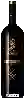
Winery Le FabricheSyduri Primitivo di Manduria
 wine
wine
This wine generally goes well with
The Syduri Primitivo di Manduria of the Winery Le Fabriche is in the top 0 of wines of Primitivo di Manduria.
Details and technical informations about Winery Le Fabriche's Syduri Primitivo di Manduria.
Discover the grape variety: Charmont
Intraspecific crossing between Chasselas and Chardonnay, obtained in 1965 by Jean-Louis Simon and selected by André Jacquinet at the Agroscope Changins-Wädenswil research station (Switzerland). This grape variety is known and cultivated in Switzerland, but it can also be found in Hungary, Germany, Italy, etc., and is virtually unknown in France. With the same parents, Jean-Louis Simon also obtained the doral.
Informations about the Winery Le Fabriche
The Winery Le Fabriche is one of of the world's greatest estates. It offers 6 wines for sale in the of Primitivo di Manduria to come and discover on site or to buy online.

The wine region of Primitivo di Manduria
The wine region of Primitivo di Manduria is located in the region of Pouilles of Italy. Wineries and vineyards like the Domaine Terre di San Vincenzo or the Domaine Il Pumo produce mainly wines red and sweet. The most planted grape varieties in the region of Primitivo di Manduria are Primitivo et Zinfandel, they are then used in wines in blends or as a single variety. On the nose of Primitivo di Manduria often reveals types of flavors of cherry, eucalyptus or cigar box and sometimes also flavors of tar, hibiscus or bramble.
The wine region of Puglia
Puglia (Apulia to many English speakers) is a Long, slender wine region in the extreme Southeast corner of Italy's "boot". To use the shoe analogy often used to illustrate the shape of Italy, Apulia extends from the tip of the heel to the mid-calf, where the spur of the Gargano Peninsula juts out into the Adriatic Sea. The heel (the Salento peninsula) occupies the southern half of the region and is of great importance for the identity of Puglia. Not only are there cultural and geographical differences from Northern Puglia, but the wines are also different.
The word of the wine: Muscat blanc à petits grains
A white grape variety cultivated since antiquity on the shores of the Mediterranean, it is considered the noblest of the muscats. It is mainly used to make sweet wines, often from mutage. In France, it is the sole variety used in many natural sweet wines: muscat-de-frontignan, muscat-de-mireval, muscat-de-lunel, muscat-de-saint-jean-de-minervois, muscat-de-beaumes-de-venise, muscat-du-cap-corse. Combined with Muscat d'Alexandrie, it gives Muscat-de-Rivesaltes. It is also used to make sparkling white wines (clairette-de-die; moscato d'asti and asti spumante in Italy) and dry wines (alsace-muscat). Powerfully aromatic and complex, its wines evoke fresh grapes, roses, exotic fruits, citrus fruits and spices.