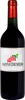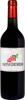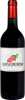
Winery Le Cellier du PicLes Combelles Rouge
 Red wine


In the mouth this red wine is a powerful with a nice balance between acidity and tannins.
This wine generally goes well with beef, veal or pasta.

Taste structure of the Les Combelles Rouge from the Winery Le Cellier du Pic
Light | Bold | |
Smooth | Tannic | |
Dry | Sweet | |
Soft | Acidic |
In the mouth the Les Combelles Rouge of Winery Le Cellier du Pic in the region of Pays d'Oc is a powerful with a nice balance between acidity and tannins.
Food and wine pairings with Les Combelles Rouge
Pairings that work perfectly with Les Combelles Rouge



Original food and wine pairings with Les Combelles Rouge
The Les Combelles Rouge of Winery Le Cellier du Pic matches generally quite well with dishes of beef, pasta or veal such as recipes of oxtail with seed sauce, pork sautéed with chinese noodles or moroccan style veal brochette.
Details and technical informations about Winery Le Cellier du Pic's Les Combelles Rouge.
Discover the grape variety: Muskat bleu
Aromatic and fruity reds to drink young, with a deep ruby colour, moderate tannins and a light palate, offering signature muscat aromas, red fruits (strawberry, raspberry) and floral notes. An accessible profile for northern climates. Grown mainly in Switzerland, Germany and the UK in northern and amateur vineyards. Black hybrid variety obtained in Switzerland in 1932 by complex crossing, early-ripening and resistant.
Informations about the Winery Le Cellier du Pic
The Winery Le Cellier du Pic is one of of the world's great estates. It offers 92 wines for sale in the of Pays d'Oc to come and discover on site or to buy online.

The wine region of Pays d'Oc
The single-grape IGP par excellence: modern, accessible, frank and fruity wines, the popular signature of the Midi. Spicy Syrah reds (pepper, blackberry), round Merlot, structured Cabernet, generous Grenache, supple Cinsault. Crisp, tangy rosés. Opulent Chardonnay whites, lively Sauvignon, floral, apricoty Viognier.
The word of the wine: Faded
Said of a wine that has lost its brilliance and depth. It can also be used to describe the nose of an old wine that has lost its aromatic freshness.