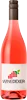
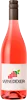
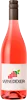
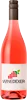
Winery Le BraconnierGrignan les Adhémar Rosé
 Pink wine
This wine generally goes well with

Details and technical informations about Winery Le Braconnier's Grignan les Adhémar Rosé.
Discover the grape variety: Trnjak
Structured, intensely coloured reds with a deep purple robe, firm tannins and a dense palate with preserved acidity. Signature aromas of black fruits (blackberry, blackcurrant), plum, spices, Mediterranean garrigue and balsamic notes. Fine ageing potential. Star of great Herzegovinian reds, defining the wine identity of southern Bosnia and the Dalmatian coast around Mostar. Native Croatian and Bosnian black grape, autochthonous to Herzegovina.
Informations about the Winery Le Braconnier
The Winery Le Braconnier is one of of the world's greatest estates. It offers 14 wines for sale in the of Grignan-les-Adhémar to come and discover on site or to buy online.

The wine region of Grignan-les-Adhémar
Rhône AOC in the north of Drôme Provençale (left bank): Syrah signature as king red (>=10%) with Grenache Noir — ruby robe with violet hints and fruity-spicy profile with signature notes of red and black fruits, garrigue, liquorice, spices and a floral oaked touch, balanced tannins and southern freshness, 10-year keeping for Syrah. AOC (2010, formerly Coteaux du Tricastin), ~1,800 ha between Dauphiné and Provence, limestone, clay and pebble soils, mistral.
The wine region of Rhone Valley
France's 2nd-largest AOC vineyard, two complementary worlds. Northern: pure Syrah in signature reds (Côte-Rôtie, Hermitage, Cornas), deep and peppery with blackberry, violet, black olive and smoked bacon notes, exceptional ageing. Opulent Viognier whites (Condrieu, apricot, flowers) and ample Marsanne-Roussanne. Southern: sun-soaked Grenache blends at Châteauneuf, Gigondas, Vacqueyras (candied fruit, garrigue).
The word of the wine: Malolactic fermentation
Called second fermentation or malo for short. It is the degradation (under the effect of bacteria) of the malic acid naturally present in the wine into milder, less aggressive lactic acid. Some producers or wineries refuse this operation by "blocking the malo" (by cold and adding SO2) to keep a maximum of acidity which carries the aromas and accentuates the sensation of freshness.