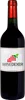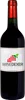
Winery Last BatchShiraz - Petit Verdot
 Red wine



This wine generally goes well with beef, lamb or mature and hard cheese.

Wine flavors and olphactive analysis




On the nose the Shiraz - Petit Verdot of Winery Last Batch in the region of Victoria often reveals types of flavors of non oak, earth or oak and sometimes also flavors of spices, red fruit or black fruit.
Food and wine pairings with Shiraz - Petit Verdot
Pairings that work perfectly with Shiraz - Petit Verdot



Original food and wine pairings with Shiraz - Petit Verdot

The Shiraz - Petit Verdot of Winery Last Batch matches generally quite well with dishes of beef, lamb or spicy food such as recipes of spit-turned boar leg (oven) with "automatic watering"., fried vegetables with merguez and chipo or red wine fondue.
Details and technical informations about Winery Last Batch's Shiraz - Petit Verdot.
Discover the grape variety: Petit Verdot
Dark, full-bodied reds with tight tannins and inky colour, showing aromas of blackberry, violet, gentle spice, liquorice and mentholated balsamic notes. Contributes colour, structure and aromatic freshness to great Médoc blends (Palmer, Léoville-Las Cases) where it remains a minority. Also vinified as a single variety in Spain (La Mancha), California, Australia and Argentina. A late-ripening Bordeaux variety.
Last vintages of this wine
The best vintages of Shiraz - Petit Verdot from Winery Last Batch are 2018, 0
Informations about the Winery Last Batch
The Winery Last Batch is one of of the world's greatest estates. It offers 7 wines for sale in the of Victoria to come and discover on site or to buy online.

The wine region of Victoria
Australian diversity from cool to temperate climate. Yarra Valley and Mornington: fine, silky Pinot Noir (cherry, raspberry, undergrowth), taut, mineral Chardonnay. Heathcote: structured Shiraz with black fruits, pepper and chocolate. Rutherglen, fortified capital: opulent sweet Topaque and Muscat (raisin, caramel, fig, roast notes).
The word of the wine: Faded
Said of a wine that has lost its brilliance and depth. It can also be used to describe the nose of an old wine that has lost its aromatic freshness.