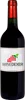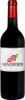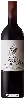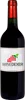
Château LarchevesqueCuvee Prestige Canon-Fronsac
 Other wine
This wine generally goes well with poultry, beef or game (deer, venison).

Food and wine pairings with Cuvee Prestige Canon-Fronsac
Pairings that work perfectly with Cuvee Prestige Canon-Fronsac



Original food and wine pairings with Cuvee Prestige Canon-Fronsac

The Cuvee Prestige Canon-Fronsac of Château Larchevesque matches generally quite well with dishes of beef, lamb or game (deer, venison) such as recipes of beef lark, mamyjaja lamb mouse tagine or potjevleesch.
Details and technical informations about Château Larchevesque's Cuvee Prestige Canon-Fronsac.
Discover the grape variety: Corvina
Slender, fresh reds with a clear ruby robe, fine tannins and lively acidity, showing aromas of sour cherry, bitter almond, spice and a characteristically bitter finish. Vinified as light, gulpable reds (Bardolino DOC, Valpolicella DOC), powerful and concentrated through appassimento (Amarone della Valpolicella DOCG) and sweet (Recioto della Valpolicella DOCG). An autochthonous Venetian variety from Lake Garda and the Valpolicella.
Informations about the Château Larchevesque
The Château Larchevesque is one of of the world's greatest estates. It offers 2 wines for sale in the of Libournais to come and discover on site or to buy online.

The wine region of Libournais
Bordeaux right bank around Libourne, the world cradle of great Merlots. Velvety, opulent reds with signature notes of ripe plum, black cherry, truffle, cocoa, leather and sweet spices, round tannins and a fleshy palate - age-worthy wines. Dominant Merlot (70-80%) thrives on cold clay-limestone, complemented by Cabernet Franc (Bouchet) with raspberry and bell-pepper notes. Stars: Saint-Émilion (UNESCO), Pomerol (Pétrus), Fronsac.
The wine region of Bordeaux
World-renowned age-worthy reds, led by round Merlot (plum, black fruit) or firm Cabernet Sauvignon (blackcurrant, cedar, graphite), blended with Cabernet Franc and Petit Verdot for tannic structure. Structured Médoc and Graves, velvety Saint-Émilion and Pomerol. Also crisp dry whites (Sauvignon/Sémillon) and opulent sweet Sauternes with honey and candied fruit. A 110,000 ha Gironde vineyard, 65 appellations, cradle of the 1855 classified growths.
The word of the wine: Pineau de la Loire
See chenin blanc.