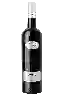
Winery LandaisD'Une d'or Collection Gailande Moelleux
 Sweet wine
This wine generally goes well with
The D'Une d'or Collection Gailande Moelleux of the Winery Landais is in the top 10 of wines of Landes.

Details and technical informations about Winery Landais's D'Une d'or Collection Gailande Moelleux.
Discover the grape variety: Négret castrais
Supple, fruity reds with a sustained ruby robe, soft tannins, an airy palate and fresh acidity; aromas of red fruits (raspberry, cherry) and gentle spices. Accessible southern profile. Preserved for its heritage value, surviving in a few heritage plots in the Tarn, among the ancient South-West varieties studied for their ampelographic interest. Indigenous French black grape from the South-West, mainly cultivated in the Tarn.
Informations about the Winery Landais
The Winery Landais is one of of the world's great estates. It offers 97 wines for sale in the of Landes to come and discover on site or to buy online.

The wine region of Landes
IGP of the South-West (Landes, ~19,000 hl/year, humid oceanic climate, sandy-acidic to clay-limestone soils): signature Colombard, Ugni Blanc, Sauvignon Blanc and Gros Manseng as white kings (60%) — dry, fresh, fruity and well-balanced profile with floral and citrus notes. Merlot, Cabernet Sauvignon, Cabernet Franc and Tannat in powerful structured reds (25%). Charming and fleshy roses (15%). Warm sunny late seasons favourable to intense aromatic over-ripening.
The wine region of Comté Tolosan
IGP covering all of southwest France across 12 departments, a broad and accessible palette. On the Garonne right bank, supple reds dominate: signature Merlot with signature notes of plum, ripe cherry, cocoa and a herbaceous touch, round tannins. Firm Cabernet, spicy Syrah, tannic local Tannat. Left bank for whites: vivid Colombard and Gros Manseng (citrus, grapefruit, exotic fruits), aromatic Sauvignon.
The word of the wine: Rootstock
American vine on which a French vine is grafted. This is the consequence of the phylloxera that destroyed the vineyard at the end of the 19th century: after much trial and error, it was discovered that the "pest" spared the roots of the American vines, and the technique became widespread.