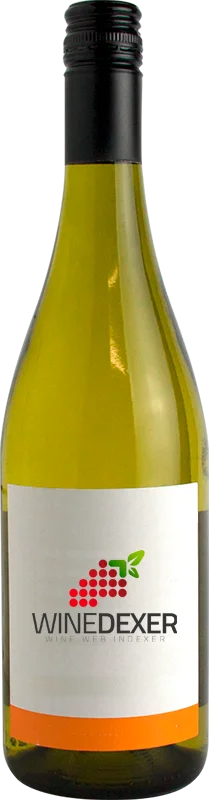
Winery LacasmiChasnero Ecologico Blanco Seco
 White wine


This wine generally goes well with
The Chasnero Ecologico Blanco Seco of the Winery Lacasmi is in the top 30 of wines of Abona.

Details and technical informations about Winery Lacasmi's Chasnero Ecologico Blanco Seco.
Discover the grape variety: Malvasia del Lazio
Rich, aromatic whites with a golden robe, an ample palate with moderate acidity, and signature aromas of ripe yellow fruits (peach, apricot), honey, white flowers (acacia) and delicate muscat notes. Rich and expressive profile. An essential component of Frascati DOC and the Castelli Romani, bringing richness and complexity to white blends from Lazio. A Malvasia variety grown in Lazio, around Rome.
Last vintages of this wine

The best vintages of Chasnero Ecologico Blanco Seco from Winery Lacasmi are 2017, 0, 2018
Informations about the Winery Lacasmi
The Winery Lacasmi is one of of the world's greatest estates. It offers 6 wines for sale in the of Abona to come and discover on site or to buy online.

The wine region of Abona
DO in southern Tenerife (Canary Islands), vineyards among the highest in Spain (up to 1,700 m at Vilaflor) on black volcanic "jable" sands, dry sunny climate, traditional gobelet training. Listán Blanco flagship white: dry and tense with citrus, green apple, white flowers and saline volcanic mineral touch, acidity preserved by altitude. Gual textured, Verdello lively and Malvasía floral in whites. Listán Negro (cherry, smoke) and supple Negramoll in light reds.
The wine region of Iles Canaries
Spanish vineyard archipelago spared by phylloxera, ~50 grape varieties of which 20 unique worldwide. Black volcanic soils and sub-tropical oceanic climate. Listán Negro in light, spicy red with signature notes of red cherry, wild strawberry, smoke, pepper and a volcanic mineral touch, fine tannins — an atypical style. Supple Negramoll, fresh Listán Blanco (citrus, flowers), aromatic Malvasía (candied orange, honey) historically famous.
The word of the wine: Old vines
There are no specific regulations governing the term "vieilles vignes". After 20 to 25 years, the yields stabilize and tend to decrease, the vines are deeply rooted, and the grapes that come from them give richer, more concentrated, more sappy wines, expressing with more nuance the characteristics of their terroir. It is possible to find plots of vines that claim to be a century old.