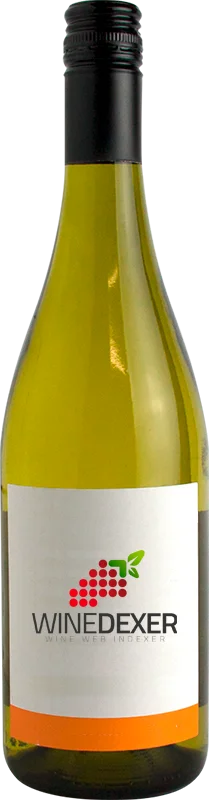
Winery Labaume Ainé & FilsPouilly-Fuissé 'Le Clos'
 White wine
This wine generally goes well with vegetarian, cured meat or pasta.
Food and wine pairings with Pouilly-Fuissé 'Le Clos'
Pairings that work perfectly with Pouilly-Fuissé 'Le Clos'



Original food and wine pairings with Pouilly-Fuissé 'Le Clos'
The Pouilly-Fuissé 'Le Clos' of Winery Labaume Ainé & Fils matches generally quite well with dishes of pasta, vegetarian or cured meat such as recipes of pasta with tuna and laughing cow, quiche without pastry, courgette and blue cheese or homemade marengo veal.
Details and technical informations about Winery Labaume Ainé & Fils's Pouilly-Fuissé 'Le Clos'.
Discover the grape variety: Tinta Barroca
Most certainly Portuguese, more precisely in the Douro region where it is very present. It can be found in Spain, Portugal, South Africa, ... almost unknown in France, registered in the Official Catalogue of A2 list varieties.
Informations about the Winery Labaume Ainé & Fils
The Winery Labaume Ainé & Fils is one of of the world's great estates. It offers 69 wines for sale in the of Pouilly-Fuissé to come and discover on site or to buy online.

The wine region of Pouilly-Fuissé
The wine region of Pouilly-Fuissé is located in the region of Mâconnais of Burgundy of France. Wineries and vineyards like the Domaine Valette or the Domaine J. A. Ferret produce mainly wines white and red.
The wine region of Burgundy
Bourgogne is the catch-all regional appellation title of the Burgundy wine region in eastern France ("Bourgogne" is the French name for Burgundy). Burgundy has a Complex and comprehensive appellation system; counting Premier Cru and Grand Cru titles, the region has over 700 appellation titles for its wines. Thus, Burgundy wines often come from one Vineyard (or several separate vineyards) without an appellation title specific to the region, Village or even vineyard. A standard Burgundy wine may be made from grapes grown in one or more of Burgundy's 300 communes.
The word of the wine: Chartreuse
In the Bordeaux region, small castle from the 18th or early 19th century.