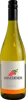
Winery La Venise ProvencaleNouvelle Récolte Blanc
 White wine
This wine generally goes well with

Details and technical informations about Winery La Venise Provencale's Nouvelle Récolte Blanc.
Discover the grape variety: Rossese nero
Fine, elegant reds with a pale ruby robe, fine tannins and an airy palate with fresh acidity, with signature aromas of small red fruits (cherry, raspberry), rose, violet and Mediterranean herbs. Perfumed Ligurian profile. Star of the Rossese di Dolceacqua DOC, producing the great refined reds of western Liguria. Autochthonous variety from Liguria, grown mainly in the Dolceacqua area, on the French border.
Informations about the Winery La Venise Provencale
The Winery La Venise Provencale is one of of the world's great estates. It offers 31 wines for sale in the of Vin de France to come and discover on site or to buy online.

The wine region of Vin de France
The freest category of French wine, the playground of winemakers working outside the AOC. All styles combined: fruity reds, lively or ambitious whites, everyday rosés, unusual blends, natural wines, atypical grapes (Petit Manseng in Languedoc, Riesling in Provence), experimental winemaking (skin-contact whites, no sulphur). Grape and vintage labelling allowed, no geographic constraint. From the pop, convivial cuvée to the artisan gem: freedom in a bottle.
The word of the wine: Aranean
The underside of a grape leaf blade covered with tiny hairs distributed in a web-like pattern.