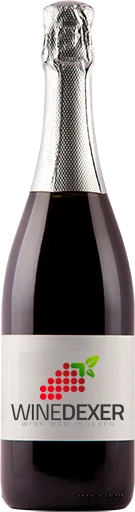
Winery La Pieve ITFrizzante
 Sparkling wine


This wine generally goes well with

Details and technical informations about Winery La Pieve IT's Frizzante.
Discover the grape variety: Grosse Arvine
Simple, fresh dry whites with a pale golden robe, a supple palate with preserved acidity, and undemonstrative aromas of citrus and white flowers – a less distinctive profile than Petite Arvine. More productive. Almost absent from commercial cultivation, preserved in Valaisan variety collections for its heritage value and ampelographic interest. A rare Valaisan white grape, cousin of Petite Arvine, grown in negligible quantities in Valais.
Last vintages of this wine
The best vintages of Frizzante from Winery La Pieve IT are 0
Informations about the Winery La Pieve IT
The Winery La Pieve IT is one of of the world's greatest estates. It offers 4 wines for sale in the of Garda to come and discover on site or to buy online.

The wine region of Garda
Vast DOC around Lake Garda across Lombardy and Veneto, cosmopolitan vineyard (~31,100 ha). Fresh, accessible whites dominate. Chardonnay, the most planted, shows signature citrus, white apple, flowers and fresh butter, supple palate. Saline Pinot Grigio, mineral Garganega, lively Riesling Italico.
The wine region of Veneto
World star of Prosecco: fresh, light Glera sparklers with notes of pear, green apple and white flowers, fruity, convivial bubbles. Veronese reds from Corvina and Rondinella: light, crisp Bardolino, fruity Valpolicella, opulent, concentrated Amarone DOCG (black cherry, chocolate, raisin) from dried grapes. Mineral, almondy Soave (Garganega) whites, fresh Pinot Grigio. 97,500 ha, Italy's largest production.
The word of the wine: Chai
Place where the wine-making process takes place.