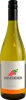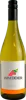
Winery La ConfrerieGrapiloire Colombard - Sauvignon
 White wine
This wine generally goes well with vegetarian, rich fish (salmon, tuna etc) or shellfish.

Food and wine pairings with Grapiloire Colombard - Sauvignon
Pairings that work perfectly with Grapiloire Colombard - Sauvignon



Original food and wine pairings with Grapiloire Colombard - Sauvignon
The Grapiloire Colombard - Sauvignon of Winery La Confrerie matches generally quite well with dishes of shellfish, spicy food or poultry such as recipes of shrimp with curry express, pasta with broccoli or salmon koulibiac.
Details and technical informations about Winery La Confrerie's Grapiloire Colombard - Sauvignon.
Discover the grape variety: Colombard
Lively, aromatic whites with sharp acidity and a brisk palate, with aromas of citrus (grapefruit, lime), exotic fruits (passion fruit, mango), boxwood, nectarine and herbal notes. Typically crisp finish. Pillar of Côtes de Gascogne IGP (modern aromatic dry whites) and historically the base spirit for Cognac and Armagnac distillation. Exported to South Africa and California. Charentes variety, a cross of chenin × gouais blanc.
Informations about the Winery La Confrerie
The Winery La Confrerie is one of of the world's greatest estates. It offers 4 wines for sale in the of Côtes de Gascogne to come and discover on site or to buy online.

The wine region of Côtes de Gascogne
Reference for accessible dry whites of the South-West: signature Colombard as white king — lively and aromatic with notes of lemon, grapefruit, mango, passion fruit, white flowers and a touch of green citrus, brisk acidity and moderate alcohol (9-11%) — a gourmet aperitif. Straight Ugni Blanc in the blend, more floral Sauvignon and rounder Gros Manseng as complements. A few honeyed sweet wines. Vast Gers IGP (Armagnac), oceanic climate, clay-limestone soils.
The wine region of Comté Tolosan
IGP covering all of southwest France across 12 departments, a broad and accessible palette. On the Garonne right bank, supple reds dominate: signature Merlot with signature notes of plum, ripe cherry, cocoa and a herbaceous touch, round tannins. Firm Cabernet, spicy Syrah, tannic local Tannat. Left bank for whites: vivid Colombard and Gros Manseng (citrus, grapefruit, exotic fruits), aromatic Sauvignon.
The word of the wine: Maceration
Prolonged contact and exchange between the juice and the grape solids, especially the skin. Not to be confused with the time of fermentation, which follows maceration. The juice becomes loaded with colouring matter and tannins, and acquires aromas. For a rosé, the maceration is short so that the colour does not "rise" too much. For white wines too, a "pellicular maceration" can be practised, which allows the wine to acquire more fat.