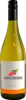
Winery L&R KoxAuxerrois Extra Brut
 wine
wine
This wine generally goes well with
The Auxerrois Extra Brut of the Winery L&R Kox is in the top 0 of wines of Crémant de Luxembourg.

Details and technical informations about Winery L&R Kox's Auxerrois Extra Brut.
Discover the grape variety: Nerello Cappuccio
Supple, fruity reds with a light ruby color, smooth tannins and a round palate, offering signature aromas of red fruits (cherry, raspberry), plum, soft spices and volcanic notes. A charming profile adding roundness and fruit to blends. Essential component of Etna Rosso DOC blended with nerello mascalese, the signature of great volcanic Sicilian reds on Etna's slopes. Italian indigenous variety from Sicily.
Last vintages of this wine


The best vintages of Auxerrois Extra Brut from Winery L&R Kox are 0
Informations about the Winery L&R Kox
The Winery L&R Kox is one of of the world's great estates. It offers 73 wines for sale in the of Crémant de Luxembourg to come and discover on site or to buy online.

The wine region of Crémant de Luxembourg
Only AOP outside France authorised to use the term "Cremant". Traditional method sparkling wines from the Luxembourg Moselle (min. 9 months on lees, 24 for vintage): fine and creamy bubbles based on Auxerrois and Pinot Blanc (citrus, white flowers, pear, apple, pineapple, almond). Crisp Chardonnay, vibrant Riesling, round Pinot Gris, airy Pinot Noir in complement (blancs de noirs, rosés).
The wine region of Moselle
France's most northerly AOC in Lorraine (2010), vineyards revived after phylloxera and the wars, clay-limestone and marly soils, harsh semi-continental climate. Auxerrois flagship native white (60% of whites): dry with green apple, citrus, white flowers and smoky mineral touch, tense thirst-quenching acidity. Full Pinot Gris, floral Müller-Thurgau and Gewürztraminer in whites. Fresh Pinot Noir rosés.
The word of the wine: Rafle (taste of)
A taste considered a defect, characterized by an unpleasant astringency and bitterness, brought by the stalk during the vinification process. In order to avoid it, destemming before vinification is a common practice.