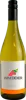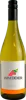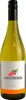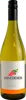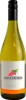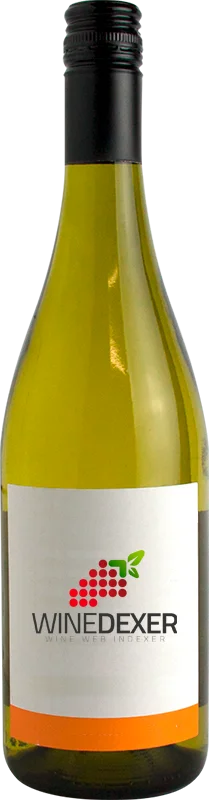
Winery L'OrpailleurCuvée Signature Chardonnay
 White wine
In the mouth this white wine is a powerful.
This wine generally goes well with pork, vegetarian or poultry.

Taste structure of the Cuvée Signature Chardonnay from the Winery L'Orpailleur
Light | Bold | |
Dry | Sweet | |
Soft | Acidic |
In the mouth the Cuvée Signature Chardonnay of Winery L'Orpailleur in the region of Quebec is a powerful.
Food and wine pairings with Cuvée Signature Chardonnay
Pairings that work perfectly with Cuvée Signature Chardonnay



Original food and wine pairings with Cuvée Signature Chardonnay

The Cuvée Signature Chardonnay of Winery L'Orpailleur matches generally quite well with dishes of pork, rich fish (salmon, tuna etc) or vegetarian such as recipes of tagliatelle with carbonara, pasta with tuna and cream or quiche with bacon and gruyère cheese.
Details and technical informations about Winery L'Orpailleur's Cuvée Signature Chardonnay.
Discover the grape variety: Chardonnay
Whites with many faces: mineral and taut at Chablis (lemon, green apple, flint), opulent and buttery at Meursault and Puligny-Montrachet (hazelnut, brioche, yellow fruits), tense and chalky in Champagne (Blanc de Blancs). Also vinified sparkling and widely exported (Sonoma, Margaret River, Casablanca). A Burgundian variety, a cross of Pinot Noir × Gouais Blanc, half-sibling of Aligoté.
Informations about the Winery L'Orpailleur
The Winery L'Orpailleur is one of of the world's great estates. It offers 14 wines for sale in the of Quebec to come and discover on site or to buy online.

The wine region of Quebec
Booming Canadian vineyard (~70 estates, 400+ ha), an extreme continental climate (-36 C) imposing hardy hybrid grapes. A world-renowned speciality: golden ice wines with signature notes of honey, candied apricot, yellow peach, mango and crisp acidity, a sweet-lively balance — made from frozen-harvested Vidal. Fruity Frontenac reds (cherry, plum, spice), lively Seyval Blanc and Saint-Pepin whites (citrus, white flowers). 1.
The word of the wine: Rosé de saignée
A method of making rosé wine that consists of partially draining a vat of red wine after a few hours of maceration. The longer the maceration, the stronger the colour. This practice gives rich and expressive rosés.