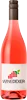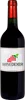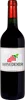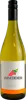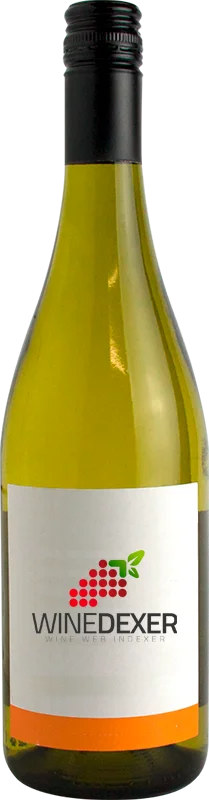
Winery L. MetairieHappy Bee Alpes-de-Haute-Provence
 White wine
This wine generally goes well with
Details and technical informations about Winery L. Metairie's Happy Bee Alpes-de-Haute-Provence.
Discover the grape variety: Pé de perdrix
This grape variety would be of Spanish origin, it was in this country mainly used as table grape. The Pé de perdrix has now completely disappeared. It should not be confused with the pied de perdrix, which is the red-tailed côt with black grapes.
Informations about the Winery L. Metairie
The Winery L. Metairie is one of of the world's great estates. It offers 286 wines for sale in the of Alpes-de-Haute-Provence to come and discover on site or to buy online.

The wine region of Alpes-de-Haute-Provence
The wine region of Alpes-de-Haute-Provence is located in the region of Méditerranée of Vin de Pays of France. Wineries and vineyards like the Château de Rousset or the Domaine L'Art Provençal produce mainly wines pink, red and white. The most planted grape varieties in the region of Alpes-de-Haute-Provence are Merlot, Cabernet-Sauvignon and Pinot noir, they are then used in wines in blends or as a single variety. On the nose of Alpes-de-Haute-Provence often reveals types of flavors of cherry, red fruit or floral and sometimes also flavors of tropical fruit, earthy or blackberry.
The wine region of Méditerranée
Méditérranée is a PGI title that covers wines produced in a large area of the South-eastern coast of France, roughly corresponding to the wine region of Provence but also including Part of the Rhône Valley. The PGI shares its territory with multiple AOC appellations as varied as Châteauneuf-du-Pape, Bandol and Côtes de Provence. The PGI Méditérranée catchment area extends over 10 departments (including the two on the island of Corsica), as well as smaller parts of the Isère, Loire and Rhône departments. Viticulture is essential to the culture and economy of this part of France.
The word of the wine: Basic wine
Dry, still wine intended for the production of sparkling wines (champagne, crémants, etc.). The basic wines undergo a second fermentation in the bottle for the production of carbon dioxide, and therefore of bubbles.