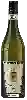
Winery L. CostamagnaBarolo
 Red wine
In the mouth this red wine is a powerful with a nice balance between acidity and tannins.
This wine generally goes well with beef, game (deer, venison) or lamb.

Taste structure of the Barolo from the Winery L. Costamagna
Light | Bold | |
Smooth | Tannic | |
Dry | Sweet | |
Soft | Acidic |
In the mouth the Barolo of Winery L. Costamagna in the region of Piedmont is a powerful with a nice balance between acidity and tannins.
Food and wine pairings with Barolo
Pairings that work perfectly with Barolo



Original food and wine pairings with Barolo

The Barolo of Winery L. Costamagna matches generally quite well with dishes of beef, pasta or lamb such as recipes of marinated shrimp skewers with garlic, light lasagne without béchamel sauce or tajine of merguez and potatoes.
Details and technical informations about Winery L. Costamagna's Barolo.
Discover the grape variety: Romorantin
Dry, vivid and structured whites with a golden robe, taut mouthfeel and sharp acidity, with aromas of citrus (lemon, grapefruit), apple, pear, white flowers, honey and pronounced chalky mineral notes. Good ageing potential, gaining wax and dried fruit notes with age. Near-exclusive star of Cour-Cheverny AOC in the Sologne. Very rare autochthonous Loire variety, introduced to the Loire valley by François I in 1519 according to tradition.
Informations about the Winery L. Costamagna
The Winery L. Costamagna is one of of the world's greatest estates. It offers 6 wines for sale in the of Piedmont to come and discover on site or to buy online.

The wine region of Piedmont
Kingdom of Nebbiolo: Barolo and Barbaresco DOCG, long-ageing reds with firm tannins and lively acidity, complex aromas of withered rose, sour cherry, tar, truffle and undergrowth. More accessible, tangy Barbera on red fruit, supple, crisp Dolcetto. Sweet, floral sparkling Moscato d'Asti, mineral, lemony Gavi (Cortese) white, round, almondy Arneis from Roero. 50,000 ha across the Langhe, Roero and Monferrato, UNESCO.
The word of the wine: Bleeding
Old practice for red wines. As soon as the vat is filled with grapes, the tap is opened. A sweet but clear juice escapes from the vat (it can also be used to make rosé). The colour and density of the juice is enhanced, but it should not be overdone. Rarely more than 10% of the volume of a vat, otherwise you risk losing fruit and bringing in bitterness.