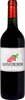
Château de l'AmarineInvitation
 Red wine
This wine generally goes well with beef, veal or pasta.

Food and wine pairings with Invitation
Pairings that work perfectly with Invitation



Original food and wine pairings with Invitation
The Invitation of Château de l'Amarine matches generally quite well with dishes of beef, pasta or veal such as recipes of beef goulash, pasta with neapolitan sauce and mushrooms or duck breast with orange sauce.
Details and technical informations about Château de l'Amarine's Invitation.
Discover the grape variety: Kanzler
Aromatic, full-bodied whites to drink young with a golden robe, ample palate with moderate acidity, showing signature muscat, white flower (elderflower), ripe white-fleshed fruit and floral aromas. Also produced as off-dry. Grown in small quantities in Rhineland-Hesse and the German Palatinate for typical dry and medium-dry wines. White variety obtained in 1927 at Alzey by Georg Scheu (müller-thurgau × silvaner), early-ripening.
Informations about the Château de l'Amarine
The Château de l'Amarine is one of wineries to follow in Gard.. It offers 6 wines for sale in the of Gard to come and discover on site or to buy online.

The wine region of Gard
Vast Languedoc IGP between Costières and Camargue (Gard): signature Grenache, Syrah, Carignan, Mourvèdre and Cinsault as reds and rosés — fruity and sun-drenched with cherry, strawberry, raspberry, garrigue, spice and a peppery touch (Camargue gris rosés emblematic on sand). Floral whites from Grenache Blanc, Marsanne, Viognier and Vermentino. IGP, ~25,000 ha across 24 communes, sunny Mediterranean climate, cleansing mistral.
The wine region of Pays d'Oc
The single-grape IGP par excellence: modern, accessible, frank and fruity wines, the popular signature of the Midi. Spicy Syrah reds (pepper, blackberry), round Merlot, structured Cabernet, generous Grenache, supple Cinsault. Crisp, tangy rosés. Opulent Chardonnay whites, lively Sauvignon, floral, apricoty Viognier.
The word of the wine: OIV
International Organisation of Vine and Wine. Intergovernmental organization studying the technical, scientific or economic questions raised by the culture of the vine and the production of wine.