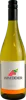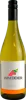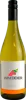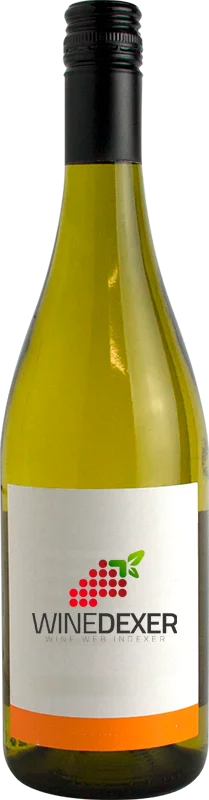
Winery KosuticPinot Bijeli Moslavina
 White wine


This wine generally goes well with rich fish (salmon, tuna etc) and shellfish.

Wine flavors and olphactive analysis


On the nose the Pinot Bijeli Moslavina of Winery Kosutic in the region of Continental Region often reveals types of flavors of tree fruit.
Food and wine pairings with Pinot Bijeli Moslavina
Pairings that work perfectly with Pinot Bijeli Moslavina


Original food and wine pairings with Pinot Bijeli Moslavina
The Pinot Bijeli Moslavina of Winery Kosutic matches generally quite well with dishes of rich fish (salmon, tuna etc) or shellfish such as recipes of parillade of fish and seafood or risotto of the sea.
Details and technical informations about Winery Kosutic's Pinot Bijeli Moslavina.
Discover the grape variety: Pinot blanc
Round, supple whites with a soft palate, showing discreet aromas of apple, pear, fresh almond, white flowers and brioche notes. Moderate acidity, light finish. Star of Crémant d'Alsace (fine, taut sparkling) and base of Edelzwicker. Grown in Germany (Weissburgunder, Baden-Württemberg), northern Italy (Pinot Bianco, Alto Adige), Austria and Luxembourg. A white mutation of Pinot Noir.
Last vintages of this wine
The best vintages of Pinot Bijeli Moslavina from Winery Kosutic are 0
Informations about the Winery Kosutic
The Winery Kosutic is one of of the world's greatest estates. It offers 5 wines for sale in the of Continental Region to come and discover on site or to buy online.

The wine region of Continental Region
Vast inland Croatia (Kontinentalna Hrvatska) from Karlovac to Vukovar via Zagreb, continental climate distinct from the Mediterranean coast. Signature Graševina (Welschriesling) as white king: lively and fruity with notes of green apple, pear, citrus, white flowers, sweet almond and a mineral touch, taut and thirst-quenching palate — the inland soul (two-thirds whites). Aromatic Traminac (lychee, rose), fine Pinot Blanc, full Chardonnay, taut Riesling. Airy Pinot Noir emerges.
The word of the wine: Tressallier
White grape variety from the Allier region, identical to the Sacy variety grown in Burgundy. Rarely vinified on its own, it is used in the blending of Saint-Pourçain white wines, associated with chardonnay, the main grape variety of the appellation. Syn.: sacy.