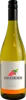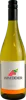
Winery Köster-WolfSauvignon Blanc Trocken
 White wine



In the mouth this white wine is a with a nice freshness.
This wine generally goes well with vegetarian, shellfish or goat cheese.

Taste structure of the Sauvignon Blanc Trocken from the Winery Köster-Wolf
Light | Bold | |
Dry | Sweet | |
Soft | Acidic |
In the mouth the Sauvignon Blanc Trocken of Winery Köster-Wolf in the region of Rheinhessen is a with a nice freshness.
Food and wine pairings with Sauvignon Blanc Trocken
Pairings that work perfectly with Sauvignon Blanc Trocken



Original food and wine pairings with Sauvignon Blanc Trocken
The Sauvignon Blanc Trocken of Winery Köster-Wolf matches generally quite well with dishes of shellfish, vegetarian or goat cheese such as recipes of panga curry, mushroom, bacon and gruyere quiche or warm goat cheese/honey buckwheat pancakes.
Details and technical informations about Winery Köster-Wolf's Sauvignon Blanc Trocken.
Discover the grape variety: Raisaine
Simple, fresh dry whites with a pale golden robe, a supple palate and preserved acidity, with understated aromas of white flowers, citrus (lemon) and herbal notes. A rustic profile now almost absent from commercial viticulture. Preserved in INRAE varietal collections, it bears witness to the pre-phylloxera ampelographic diversity of the South-West. Rare French white grape, once grown in the South-West and studied for its heritage value.
Last vintages of this wine
The best vintages of Sauvignon Blanc Trocken from Winery Köster-Wolf are 0
Informations about the Winery Köster-Wolf
The Winery Köster-Wolf is one of of the world's great estates. It offers 62 wines for sale in the of Rheinhessen to come and discover on site or to buy online.

The wine region of Rheinhessen
71% white region: Riesling is king (5,000 ha), dry to off-dry, ripe yellow fruit, apple, citrus and fine saline minerality. Supple, floral Müller-Thurgau for everyday, the world's largest Silvaner plantation with herbaceous, straight notes. Historic cradle of off-sweet Liebfraumilch. Some supple reds (Dornfelder, Spätburgunder).
The word of the wine: Crémant
AOC sparkling wine made by traditional method, with specific constraints in the regions of Alsace, Bordeaux, Burgundy, Die, Jura, Limoux and the Loire Valley, as well as in Luxembourg.