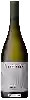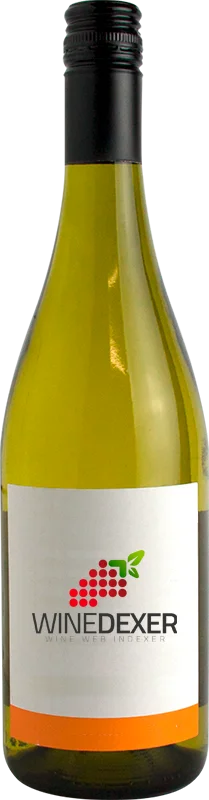
Winery KompassusBranco
 White wine



In the mouth this white wine is a with a nice freshness.
This wine generally goes well with appetizers and snacks, lean fish or shellfish.
Taste structure of the Branco from the Winery Kompassus
Light | Bold | |
Dry | Sweet | |
Soft | Acidic |
In the mouth the Branco of Winery Kompassus in the region of Beiras is a with a nice freshness.
Food and wine pairings with Branco
Pairings that work perfectly with Branco



Original food and wine pairings with Branco

The Branco of Winery Kompassus matches generally quite well with dishes of shellfish, appetizers and snacks or lean fish such as recipes of pasta with mussels, pretzels (alsace) or quick and easy baked fish.
Details and technical informations about Winery Kompassus's Branco.
Discover the grape variety: Muscat rouge à petits grains
Last vintages of this wine
The best vintages of Branco from Winery Kompassus are 2017, 2016, 0, 2018 and 2015.
Informations about the Winery Kompassus
The Winery Kompassus is one of of the world's great estates. It offers 21 wines for sale in the of Bairrada to come and discover on site or to buy online.

The wine region of Bairrada
Portuguese DOC of the central-west, kingdom of native Baga (>50%). Dense, structured reds with signature notes of black cherry, plum, eucalyptus, tobacco and earthy notes, firm tannins and lively acidity — wines of very long ageing. Also fruity Castelão and perfumed Touriga Nacional. Floral Maria Gomes (Fernão Pires), lively Arinto, mineral Bical whites.
The wine region of Beiras
Vast region of north-central Portugal, a fragmented mosaic of distinct sub-regions. In the west, Bairrada makes dense Baga reds with notes of black cherry, blackberry and leather, firm tannins — the base of the great Portuguese sparkling wines. In the centre, Dao produces fine Touriga Nacional reds (violet, raspberry, spice) and elegant Encruzado whites (flowers, citrus, butter). To the continental east, fleshy Touriga of Beira Interior and aromatic Fernao Pires.
The word of the wine: Provignage
A vine reproduction technique that consists of burying a vine shoot that takes root and reproduces a plant with the same characteristics as the vine to which it is attached.