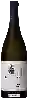
Winery KnabEndinger Engelsberg Grauer Burgunder Spätlese
 White wine



In the mouth this white wine is a .
This wine generally goes well with pork, cured meat or mushrooms.
Taste structure of the Endinger Engelsberg Grauer Burgunder Spätlese from the Winery Knab
Light | Bold | |
Dry | Sweet | |
Soft | Acidic |
In the mouth the Endinger Engelsberg Grauer Burgunder Spätlese of Winery Knab in the region of Baden is a .
Food and wine pairings with Endinger Engelsberg Grauer Burgunder Spätlese
Pairings that work perfectly with Endinger Engelsberg Grauer Burgunder Spätlese



Original food and wine pairings with Endinger Engelsberg Grauer Burgunder Spätlese

The Endinger Engelsberg Grauer Burgunder Spätlese of Winery Knab matches generally quite well with dishes of pork, spicy food or mushrooms such as recipes of cabbage casserole, coconut chicken and curry or normandy style escalope.
Details and technical informations about Winery Knab's Endinger Engelsberg Grauer Burgunder Spätlese.
Discover the grape variety: Hibou blanc
A very old grape variety once cultivated in Savoy, now endangered. It is not the white form of the black owl.
Last vintages of this wine
The best vintages of Endinger Engelsberg Grauer Burgunder Spätlese from Winery Knab are 2016, 0
Informations about the Winery Knab
The Winery Knab is one of of the world's great estates. It offers 48 wines for sale in the of Baden to come and discover on site or to buy online.

The wine region of Baden
Baden is the southernmost of Germany's 13 official wine regions. It is also the warmest. Its relatively sunny, DryClimate permits the production of good-quality Spätburgunder (Pinot Noir) and ripe, relatively Full-bodied">Full-bodied examples of Grauburgunder (Pinot Gris) and Weissburgunder (Pinot Blanc). These are often made in oaked styles.
The word of the wine: Deposit
Solid particles that can naturally coat the bottom of a bottle of wine. It is rather a guarantee that the wine has not been mistreated: in fact, to avoid the natural deposit, rather violent processes of filtration or cold passage (- 7 or - 8 °C) are used in order to precipitate the tartar (the small white crystals that some people confuse with crystallized sugar: just taste to dissuade you from it)