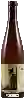
Winery KilianMarbacher Frankenberg Grauer Burgunder Kabinett Trocken
 White wine
In the mouth this white wine is a .
This wine generally goes well with pork, cured meat or mushrooms.

Taste structure of the Marbacher Frankenberg Grauer Burgunder Kabinett Trocken from the Winery Kilian
Light | Bold | |
Dry | Sweet | |
Soft | Acidic |
In the mouth the Marbacher Frankenberg Grauer Burgunder Kabinett Trocken of Winery Kilian in the region of Franken is a .
Food and wine pairings with Marbacher Frankenberg Grauer Burgunder Kabinett Trocken
Pairings that work perfectly with Marbacher Frankenberg Grauer Burgunder Kabinett Trocken


Original food and wine pairings with Marbacher Frankenberg Grauer Burgunder Kabinett Trocken

The Marbacher Frankenberg Grauer Burgunder Kabinett Trocken of Winery Kilian matches generally quite well with dishes of pork, spicy food or mushrooms such as recipes of rabbit with hunter's sauce, phad thai (thai style fried noodles) or sea bream fillets with mushrooms and cream.
Details and technical informations about Winery Kilian's Marbacher Frankenberg Grauer Burgunder Kabinett Trocken.
Discover the grape variety: Groppello
Supple and fruity reds with a clear ruby robe, smooth tannins and a charming palate, with signature aromas of cherry, raspberry, violet, soft spices and typical bitter notes. Also the star of the Chiaretto del Garda rosés — lively and delicate. The aromatic signature of the Lombard shore of Lake Garda, mainly in Valtènesi. Native Italian black grape from Lombardy, grown on the shores of Lake Garda.
Informations about the Winery Kilian
The Winery Kilian is one of of the world's great estates. It offers 44 wines for sale in the of Franken to come and discover on site or to buy online.

The wine region of Franken
Homeland of German Silvaner: dry, straight, mineral and lively whites with notes of green apple, citrus, fresh herbs and a saline touch, planted here for over 350 years (1,500 ha, a quarter of the vineyard). Also supple, floral Müller-Thurgau, taut Riesling, aromatic Bacchus. Some discreet reds (Spätburgunder). 6,040 ha in Bavaria along the Main around Würzburg, red sandstone and shell-limestone soils.
The word of the wine: Apogee
This period varies greatly depending on the type of wine and the vintage, and corresponds to the optimum quality of a wine. After the peak comes the decline.