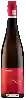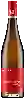
Winery Kiefer-SeufertBallrechten Dottinger Castellberg Rotwein Spatlese Trocken Spätburgunder
 Pink wine


This wine generally goes well with vegetarian
Food and wine pairings with Ballrechten Dottinger Castellberg Rotwein Spatlese Trocken Spätburgunder
Pairings that work perfectly with Ballrechten Dottinger Castellberg Rotwein Spatlese Trocken Spätburgunder

Original food and wine pairings with Ballrechten Dottinger Castellberg Rotwein Spatlese Trocken Spätburgunder
The Ballrechten Dottinger Castellberg Rotwein Spatlese Trocken Spätburgunder of Winery Kiefer-Seufert matches generally quite well with dishes of vegetarian such as recipes of tuna, pepper and tomato quiche.
Details and technical informations about Winery Kiefer-Seufert's Ballrechten Dottinger Castellberg Rotwein Spatlese Trocken Spätburgunder.
Discover the grape variety: Mondeuse
Mondeuse noir is a grape variety that originated in France (Savoie). It produces a variety of grape specially used for wine making. It is rare to find this grape to eat on our tables. This variety of grape is characterized by medium to large bunches, and grapes of medium size. Mondeuse noir can be found in many vineyards: South-West, Cognac, Bordeaux, Savoie & Bugey, Languedoc & Roussillon, Loire Valley, Provence & Corsica, Rhône Valley, Beaujolais.
Last vintages of this wine
The best vintages of Ballrechten Dottinger Castellberg Rotwein Spatlese Trocken Spätburgunder from Winery Kiefer-Seufert are 0
Informations about the Winery Kiefer-Seufert
The Winery Kiefer-Seufert is one of of the world's great estates. It offers 16 wines for sale in the of Baden to come and discover on site or to buy online.

The wine region of Baden
Baden is the southernmost of Germany's 13 official wine regions. It is also the warmest. Its relatively sunny, DryClimate permits the production of good-quality Spätburgunder (Pinot Noir) and ripe, relatively Full-bodied">Full-bodied examples of Grauburgunder (Pinot Gris) and Weissburgunder (Pinot Blanc). These are often made in oaked styles.
The word of the wine: Old vines
There are no specific regulations governing the term "vieilles vignes". After 20 to 25 years, the yields stabilize and tend to decrease, the vines are deeply rooted, and the grapes that come from them give richer, more concentrated, more sappy wines, expressing with more nuance the characteristics of their terroir. It is possible to find plots of vines that claim to be a century old.